Vaginal Reconstruction Surgery in Seoul Gangnam Y Queen Women's Clinic
Y Queen Women's Clinic provides English-speaking vaginal reconstruction consultations in Gangnam, Seoul for local and international patients. Vaginal reconstruction surgery refers to procedures designed to restore vaginal anatomy or function in selected patients with congenital abnormalities, childbirth-related injury, vaginal trauma, scar tissue, narrowing, or complications from previous surgery. Our OB-GYN team provides confidential assessment, pelvic examination and ultrasound when indicated, evaluation of conservative treatment options, reproductive counseling, and individualized surgical planning. Because reconstructive procedures vary significantly according to the underlying condition, treatment is tailored to each patient's anatomy, symptoms, functional needs, and reproductive goals. When specialized or hospital-based reconstruction is required, referral to an appropriate gynecologic or reconstructive surgeon can be coordinated.
What Is Vaginal Reconstruction Surgery?
Vaginal reconstruction surgery is a broad term describing procedures intended to repair, restore, or reconstruct vaginal tissues.
Depending on the patient's condition, treatment may involve:
- Repairing damaged vaginal tissue
- Correcting significant scar tissue
- Reconstructing congenital anatomical abnormalities
- Treating complications from previous surgery
- Repairing selected childbirth-related injuries
- Restoring vaginal structure after trauma
- Addressing narrowing or obstruction
- Improving function when anatomy has been significantly altered
The procedure required depends on the specific diagnosis and individual anatomy.
Why Is Vaginal Reconstruction Performed?
Vaginal reconstruction may be considered when anatomical changes cause functional or medical problems.
Possible indications include:
- Congenital vaginal abnormalities
- Vaginal stenosis or narrowing
- Significant vaginal scar tissue
- Previous pelvic or vaginal surgery
- Childbirth-related tissue injury
- Vaginal trauma
- Complications following previous procedures
- Structural abnormalities affecting function
- Selected pelvic reconstructive conditions
Not every vaginal concern requires surgery. A comprehensive evaluation is important before treatment is recommended.
Congenital Vaginal Conditions
Some vaginal anatomical differences are present from birth but may not become apparent until adolescence or adulthood.
Depending on the condition, symptoms may include:
- Difficulty with menstrual flow
- Pelvic pain
- Difficulty inserting tampons
- Difficulty with vaginal examinations
- Difficulty with vaginal penetration
- Reproductive concerns
Evaluation may involve physical examination, pelvic ultrasound, MRI, or referral to a specialist depending on the suspected condition.
Vaginal Reconstruction After Childbirth
Pregnancy and childbirth can affect the pelvic floor and vaginal tissues.
Some women may experience:
- Significant perineal injury
- Scar tissue
- Persistent discomfort
- Anatomical changes following difficult delivery
- Complications from previous obstetric repair
- Pelvic floor dysfunction
Many postpartum symptoms can improve without reconstructive surgery. Pelvic floor therapy, conservative treatment, or other approaches may be recommended before surgery depending on the diagnosis.
Vaginal Reconstruction After Injury or Trauma
Injury to vaginal tissue may result from:
- Accidental trauma
- Previous surgery
- Obstetric injury
- Severe scarring
- Other medical conditions
Treatment depends on the location and severity of the injury.
Complex trauma may require care from a multidisciplinary surgical team.
Vaginal Reconstruction After Previous Surgery
Some patients seek evaluation because of symptoms following previous gynecological or intimate surgery.
Possible concerns include:
- Painful scar tissue
- Vaginal narrowing
- Persistent discomfort
- Wound-healing problems
- Anatomical asymmetry
- Functional difficulties
Revision or reconstructive surgery may be considered when clinically appropriate, but the risks of additional scar formation and other complications should be carefully evaluated.
Vaginal Stenosis and Reconstruction
Vaginal stenosis refers to narrowing or shortening of the vaginal canal.
Potential causes can include:
- Congenital conditions
- Previous surgery
- Scar tissue
- Pelvic radiation treatment
- Significant injury
- Other medical conditions
Treatment may involve conservative measures, vaginal dilator therapy, hormonal treatment in selected patients, or reconstructive surgery depending on the underlying cause and severity.
Vaginal Reconstruction vs. Vaginoplasty
The terms may sometimes overlap, but they are not always used in exactly the same way.
Vaginal Reconstruction
Generally refers broadly to surgery performed to restore vaginal anatomy or function following congenital conditions, injury, scarring, or previous treatment.
Vaginoplasty
Can refer to several different procedures involving construction, repair, or alteration of the vagina, depending on the clinical context.
Because terminology varies, the exact procedure should always be discussed during consultation.
Vaginal Reconstruction vs. Perineoplasty
These procedures involve different anatomical areas.
Vaginal Reconstruction
May involve the vaginal canal and surrounding tissues.
Perineoplasty
Primarily repairs or reshapes the perineum, the area between the vaginal opening and anus.
Patients with childbirth-related injury may sometimes have concerns involving both areas.
Who May Consider Vaginal Reconstruction?
A consultation may be appropriate for patients experiencing:
- Persistent vaginal pain
- Significant scar tissue
- Vaginal narrowing
- Functional problems after previous surgery
- Congenital vaginal abnormalities
- Childbirth-related structural problems
- Difficulty with vaginal penetration due to an anatomical problem
- Difficulty undergoing necessary gynecological examinations
- Symptoms following vaginal injury
A physical examination is often necessary to determine whether the problem is structural and whether surgery is appropriate.
How Are Vaginal Problems Evaluated?
Evaluation may include:
- Detailed medical history
- Gynecological history
- Pregnancy and childbirth history
- Previous surgical history
- Symptom assessment
- External genital examination
- Pelvic examination when appropriate
- Pelvic ultrasound
- MRI or other imaging in selected cases
- Review of previous operative reports
- Pelvic floor assessment when indicated
Additional testing depends on the suspected underlying condition.
What Happens During Your Consultation?
Your appointment may include:
- Confidential discussion of symptoms
- Medical and surgical history
- Pregnancy and childbirth history
- Review of previous procedures
- Pelvic or vaginal examination when appropriate
- Assessment of scar tissue
- Pelvic ultrasound when indicated
- Discussion of functional concerns
- Discussion of reproductive goals
- Review of conservative treatment options
- Explanation of possible surgical approaches
- Specialist referral when necessary
The goal is to identify the cause of symptoms before deciding whether reconstructive surgery is appropriate.
How Is Vaginal Reconstruction Surgery Performed?
There is no single technique used for every patient.
Depending on the diagnosis, surgery may involve:
- Removal or revision of scar tissue
- Repair of damaged vaginal tissue
- Reconstruction using local tissue
- Correction of vaginal narrowing
- Revision of previous surgical repair
- Reconstruction of congenital abnormalities
- More complex reconstructive techniques when necessary
The procedure may be performed under local, regional, or general anesthesia depending on its complexity and treatment setting.
Does Vaginal Reconstruction Hurt?
Appropriate anesthesia and pain management are used during surgery.
During recovery, patients may experience:
- Vaginal soreness
- Pelvic discomfort
- Swelling
- Temporary spotting
- Tenderness
- Tightness during healing
The degree and duration of discomfort depend on the extent of reconstruction.
Recovery After Vaginal Reconstruction Surgery
Recovery varies considerably according to the procedure performed.
During healing, patients may need to temporarily avoid:
- Vaginal intercourse
- Tampon use
- Strenuous exercise
- Heavy lifting
- Activities that place significant pressure on the pelvic area
Some reconstructive procedures may require specialized postoperative care or vaginal dilator therapy.
Your surgical team will provide individualized instructions.
When Can I Have Sexual Intercourse After Surgery?
Vaginal intercourse should generally be avoided until the reconstructed tissues have adequately healed.
The appropriate timing depends on:
- Type of reconstruction
- Extent of surgery
- Wound healing
- Pain or tenderness
- Follow-up examination
Your physician should confirm when intercourse can safely resume.
Can Vaginal Reconstruction Improve Painful Intercourse?
It may help when pain is caused by a correctable structural problem such as significant scar tissue or vaginal narrowing.
However, painful intercourse can also result from:
- Pelvic floor muscle dysfunction
- Vaginal dryness
- Vulvodynia
- Endometriosis
- Infection
- Hormonal changes
- Other pelvic conditions
A comprehensive evaluation is therefore important before considering surgery.
Vaginal Reconstruction and Fertility
The effect on fertility depends on the underlying condition and type of reconstruction.
Some vaginal procedures do not directly involve the:
- Ovaries
- Fallopian tubes
- Uterus
However, congenital reproductive tract abnormalities or complex pelvic conditions may involve other reproductive organs.
Patients planning future pregnancies should discuss fertility and childbirth implications before surgery.
Pregnancy After Vaginal Reconstruction
Pregnancy may be possible after many forms of vaginal reconstruction if the uterus, ovaries, and other reproductive structures are functional.
However, the implications for pregnancy and delivery depend on:
- Type of reconstruction
- Extent of surgery
- Underlying condition
- Amount of scar tissue
- Pelvic anatomy
Future delivery planning should be discussed with an OB-GYN.
Risks and Possible Complications
Potential risks vary depending on the type and complexity of reconstruction.
They may include:
- Bleeding
- Infection
- Pain
- Swelling
- Delayed wound healing
- Scar formation
- Vaginal narrowing
- Changes in sensation
- Persistent discomfort
- Pain during intercourse
- Injury to nearby structures
- Need for additional surgery
Complex procedures may have additional risks that should be discussed with the treating surgeon.
Is Surgery Always Necessary?
No.
Depending on the diagnosis, non-surgical treatment may include:
- Pelvic floor physical therapy
- Vaginal dilator therapy
- Treatment for vaginal infection
- Hormonal treatment when appropriate
- Management of vaginal dryness
- Scar-management strategies
- Observation
Surgery is generally considered when there is a structural problem that is unlikely to improve adequately with conservative treatment.
How Should I Prepare for a Consultation?
Before your appointment:
- Describe your symptoms and when they began
- Bring records from previous vaginal or pelvic surgery
- Bring childbirth-related records if relevant
- List medications and supplements
- Note previous treatments
- Bring imaging reports if available
- Consider future pregnancy plans
- Prepare questions about function and recovery
Previous operative reports can be particularly useful when revision surgery is being considered.
Vaginal Reconstruction Surgery Cost in Seoul
At Y Queen Women's Clinic:
- Consultation fees vary depending on the evaluation required.
- Additional costs may apply for pelvic ultrasound, laboratory testing, imaging, or other examinations.
- Surgical costs depend on the type and complexity of reconstruction, anesthesia, hospitalization, and treatment facility.
An individualized treatment plan and expected costs can be discussed after evaluation.
Why Choose Y Queen Women's Clinic?
International patients choose Y Queen because of its:
- English-speaking medical support
- Experienced OB-GYN care
- Confidential intimate health consultations
- Individualized anatomical assessment
- Evaluation of childbirth-related concerns
- Assessment of vaginal scar tissue
- Pelvic ultrasound when indicated
- Pelvic floor and functional assessment
- Personalized treatment planning
- Comfortable, private consultation environment
- Convenient Gangnam location
- Foreigner-friendly appointment process
- Specialist referral coordination when required
We provide individualized gynecological care focused on restoring comfort and function while carefully considering anatomy, reproductive goals, and long-term health.
Convenient Location in Gangnam
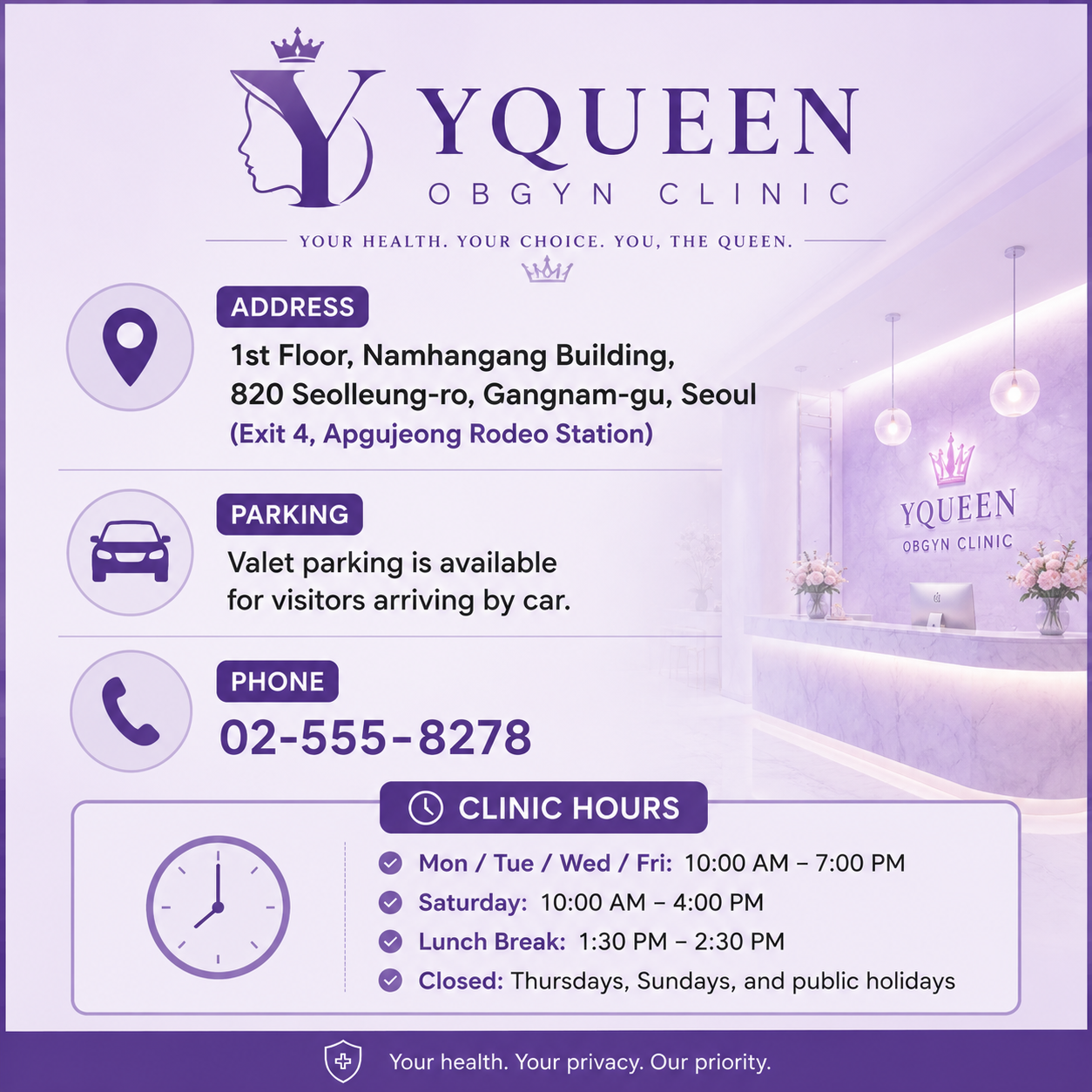
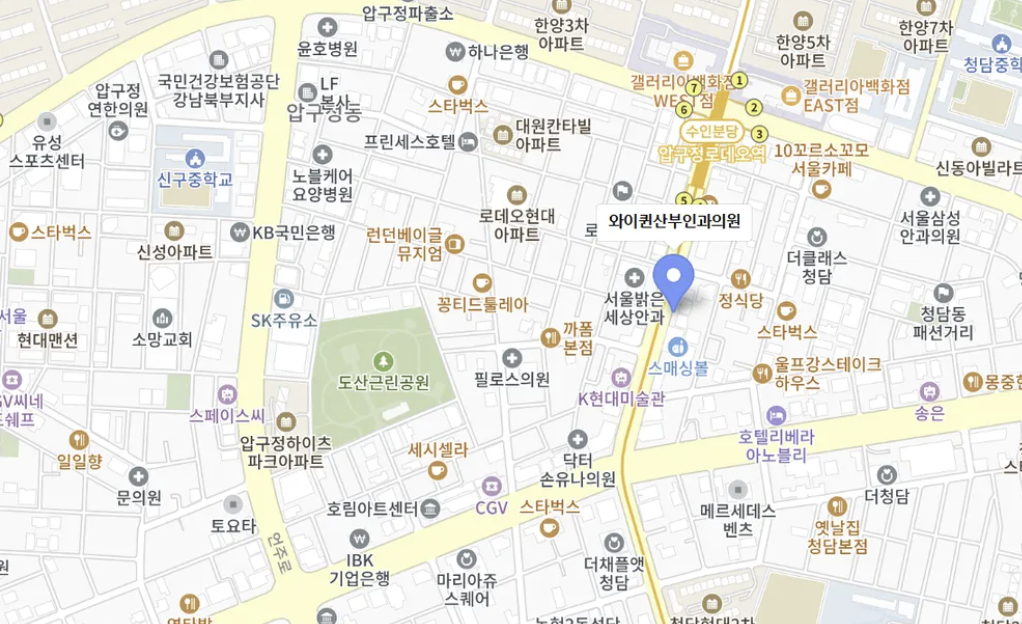
Y Queen Women's Clinic is located in Gangnam, Seoul, with convenient access near Apgujeong Rodeo Station.
The clinic is accessible for international patients living, working, studying, or staying in Gangnam, Cheongdam, Sinsa, Itaewon, Myeongdong, and other central Seoul neighborhoods.
Frequently Asked Questions
What is vaginal reconstruction surgery?
Vaginal reconstruction surgery refers to procedures designed to repair, restore, or reconstruct vaginal anatomy and function after congenital abnormalities, injury, childbirth-related damage, scarring, or previous surgery.
Why might someone need vaginal reconstruction?
Possible reasons include significant vaginal scar tissue, vaginal narrowing, congenital anatomical conditions, childbirth-related injuries, previous surgical complications, or trauma affecting vaginal function.
Can foreigners get a vaginal reconstruction consultation in Seoul?
Yes. Y Queen Women's Clinic welcomes international patients and provides English-speaking assistance for confidential gynecological and vaginal health consultations.
Is vaginal reconstruction the same as vaginoplasty?
Not necessarily. Vaginal reconstruction is a broad term for restoring vaginal anatomy or function, while vaginoplasty can describe several different procedures involving construction, repair, or alteration of the vagina.
Can vaginal reconstruction help vaginal stenosis?
Yes, reconstructive surgery may be considered for significant vaginal narrowing when conservative treatments are insufficient. The appropriate treatment depends on the cause and severity of the stenosis.
Can vaginal reconstruction help painful intercourse?
It may help when pain results from a correctable structural problem such as scar tissue or narrowing. Other causes of painful intercourse should also be evaluated.
Will vaginal reconstruction affect sexual sensation?
Changes in sensation are possible after surgery. The likelihood depends on the location and extent of reconstruction, previous tissue damage, and individual healing.
Can I become pregnant after vaginal reconstruction?
Pregnancy may remain possible when the uterus, ovaries, and other reproductive structures are functional. The underlying condition and type of reconstruction determine individual fertility considerations.
How long does recovery take?
Recovery varies significantly depending on the procedure. More extensive reconstruction generally requires a longer healing period than minor tissue repair.
Will I need vaginal dilators after surgery?
Some reconstructive procedures may require postoperative vaginal dilator therapy to help maintain the reconstructed vaginal opening or canal. Your surgeon will determine whether this is necessary.
Does Y Queen Women's Clinic perform vaginal reconstruction surgery?
Y Queen Women's Clinic can provide confidential gynecological evaluation, pelvic assessment, treatment counseling, and consultation for vaginal structural concerns. The availability and appropriate setting of a specific reconstructive procedure should be confirmed after examination. When complex or hospital-based reconstruction is required, referral to an appropriate specialist or medical center can be coordinated.