Tuboplasty Consultation in Seoul
Gangnam Y Queen Women's Clinic
Y Queen Women's Clinic provides English-speaking tuboplasty consultations and fertility evaluations in Gangnam, Seoul for local and international patients. Tuboplasty refers to surgical procedures designed to repair, reconstruct, or reopen selected damaged or blocked fallopian tubes and may be considered for certain cases of tubal-factor infertility, adhesions, hydrosalpinx, or other tubal abnormalities. Our OB-GYN specialists evaluate reproductive history, pelvic health, previous imaging, and fertility factors while discussing tubal patency testing, reconstructive surgery, ectopic pregnancy risk, and alternatives such as IVF. When specialized tubal surgery or advanced fertility treatment is required, referral to an appropriate reproductive specialist or medical center can be coordinated.
What Is Tuboplasty?
Tuboplasty is a general term for surgery performed to repair or reconstruct the fallopian tubes.
Depending on the location and type of tubal damage, surgery may aim to:
- Open a blocked fallopian tube
- Remove scar tissue
- Repair damaged portions of the tube
- Reconstruct the end of a fallopian tube
- Restore tubal anatomy
- Improve the possibility of natural conception in selected patients
Tuboplasty is not appropriate for every type of tubal infertility, and IVF may be a more suitable option in some cases.
What Causes Blocked or Damaged Fallopian Tubes?
Fallopian tube damage can develop for several reasons, including:
- Previous pelvic inflammatory disease (PID)
- Chlamydia or gonorrhea infection
- Previous ectopic pregnancy
- Endometriosis
- Pelvic adhesions
- Previous abdominal or pelvic surgery
- Previous fallopian tube surgery
- Hydrosalpinx
- Genital tuberculosis in some populations
- Congenital abnormalities
Some women with blocked fallopian tubes have no symptoms and only discover the condition during a fertility evaluation.
How Can Blocked Fallopian Tubes Affect Fertility?
The fallopian tubes allow sperm to reach the egg and transport a fertilized egg toward the uterus.
If one or both tubes are significantly blocked or damaged:
- Sperm may be unable to reach the egg
- Fertilization may not occur
- A fertilized egg may have difficulty reaching the uterus
- The risk of ectopic pregnancy may be increased
If one fallopian tube is healthy and open, natural pregnancy may still be possible.
Who May Consider Tuboplasty?
Tuboplasty may be considered for selected women who:
- Have tubal-factor infertility
- Have a localized fallopian tube blockage
- Have scar tissue affecting the tubes
- Have certain distal tubal abnormalities
- Have selected cases of hydrosalpinx or fimbrial damage
- Want to explore surgical options for natural conception
- Have appropriate tubal anatomy for reconstruction
The likelihood of success depends strongly on the location and severity of the damage.
How Are Fallopian Tubes Evaluated?
Evaluation of suspected tubal infertility may involve:
- Medical and fertility history
- Menstrual and ovulation assessment
- Pelvic examination
- Pelvic or transvaginal ultrasound
- Hysterosalpingography (HSG)
- Other tubal patency testing when appropriate
- Laparoscopy in selected cases
- Review of previous surgical records
- Fertility assessment of both partners when appropriate
No single test is appropriate for every patient.
What Happens During Your Consultation?
Your appointment may include:
- Medical history review
- Pregnancy history
- Fertility history
- Previous ectopic pregnancy history
- History of pelvic infection or STIs
- Pelvic examination when appropriate
- Pelvic ultrasound
- Review of previous HSG or imaging results
- Discussion of tubal surgery
- Comparison of tuboplasty and IVF
- Fertility counseling
- Referral for specialized treatment when appropriate
The goal is to identify the likely cause and extent of tubal damage before considering surgery.
Types of Tuboplasty
The specific procedure depends on where and how the fallopian tube is damaged.
Tubal Reanastomosis
Healthy sections of the fallopian tube may be surgically reconnected in selected cases.
Fimbrioplasty
Fimbrioplasty attempts to reconstruct damaged fimbriae at the end of the fallopian tube.
Salpingostomy
A new opening may be created at the end of a blocked fallopian tube in selected cases.
Adhesiolysis
Scar tissue surrounding the fallopian tubes or ovaries may be surgically released when adhesions interfere with normal anatomy.
The appropriate procedure depends on the patient's anatomy and fertility goals.
Tuboplasty and Hydrosalpinx
Hydrosalpinx occurs when a damaged fallopian tube becomes blocked and fills with fluid.
Depending on the severity of the condition, treatment options may include:
- Tubal reconstructive surgery in carefully selected cases
- Removal of the affected tube
- Tubal occlusion before IVF
- Assisted reproductive treatment
Severely damaged hydrosalpinges may have a poor chance of functioning normally after reconstruction, so IVF may sometimes be recommended instead.
Tuboplasty vs. IVF
Tuboplasty attempts to restore the fallopian tube so natural conception may be possible.
Tuboplasty
May be considered when tubal damage is limited and reconstructive surgery has a reasonable likelihood of success.
In Vitro Fertilization (IVF)
Bypasses the fallopian tubes by fertilizing eggs outside the body and transferring an embryo into the uterus.
The choice depends on factors including:
- Age
- Ovarian reserve
- Location of tubal blockage
- Severity of tubal damage
- Previous pregnancies
- Other fertility factors
- Partner fertility evaluation
For some patients, IVF may offer a better chance of pregnancy than tubal reconstruction.
Can Tuboplasty Improve Fertility?
Tuboplasty may improve the possibility of natural pregnancy in appropriately selected patients.
Success depends on:
- Location of the blockage
- Extent of tubal damage
- Length of healthy tube remaining
- Presence of pelvic adhesions
- Age
- Ovarian reserve
- Other fertility factors
Surgery cannot guarantee pregnancy.
Ectopic Pregnancy Risk After Tuboplasty
Women with previously damaged fallopian tubes have an increased risk of ectopic pregnancy, including after reconstructive surgery.
An ectopic pregnancy occurs when a fertilized egg implants outside the uterine cavity, most commonly within a fallopian tube.
After tubal surgery, early pregnancy evaluation is particularly important.
If you receive a positive pregnancy test, your doctor may recommend:
- Serial pregnancy hormone testing when appropriate
- Early ultrasound
- Confirmation that the pregnancy is located inside the uterus
Prompt evaluation is important if pelvic pain or abnormal bleeding occurs during early pregnancy.
How Is Tuboplasty Performed?
Depending on the condition, tuboplasty may involve:
- Laparoscopic surgery
- Microsurgical techniques
- Hysteroscopic or catheter-based approaches for selected proximal blockages
- Open surgery in uncommon or complex situations
The procedure is usually performed by a gynecologic or reproductive surgeon with expertise in tubal surgery.
Risks and Possible Complications
As with any surgical procedure, tuboplasty has potential risks.
These may include:
- Bleeding
- Infection
- Anesthesia-related complications
- Pelvic adhesions
- Recurrent tubal blockage
- Injury to surrounding organs
- Failure to restore tubal function
- Ectopic pregnancy
Your surgeon will explain the potential benefits and risks based on your individual condition.
How Should I Prepare for a Tuboplasty Consultation?
Before your appointment:
- Bring previous HSG results if available
- Bring pelvic ultrasound or other imaging reports
- Provide records of previous pelvic surgery
- Tell your doctor about previous pelvic infections or STIs
- Bring information about previous pregnancies or ectopic pregnancies
- List current medications and supplements
- Consider your fertility goals and timeline
If you have already undergone fertility testing, bringing those results can help with treatment planning.
Tuboplasty Consultation Cost in Seoul
At Y Queen Women's Clinic:
- Consultation fees vary depending on the evaluation required.
- Additional costs may apply for pelvic ultrasound, fertility testing, laboratory studies, or other diagnostic procedures.
- If specialized tubal surgery is recommended, surgical and hospital costs depend on the procedure and treating facility.
Your doctor can explain recommended testing and treatment options before referral.
Why Choose Y Queen Women's Clinic?
International patients choose Y Queen because of its:
- English-speaking medical support
- Experienced OB-GYN specialists
- Fertility-focused gynecological evaluation
- Pelvic ultrasound available
- Evaluation of tubal-factor infertility
- Personalized reproductive counseling
- Assessment of endometriosis and pelvic conditions
- Discussion of tuboplasty and IVF options
- Comfortable, private consultation rooms
- Convenient Gangnam location
- Foreigner-friendly appointment process
- Specialist referral coordination when required
We provide individualized reproductive healthcare designed to help patients understand the causes of fertility difficulties and choose an appropriate treatment strategy.
Convenient Location in Gangnam
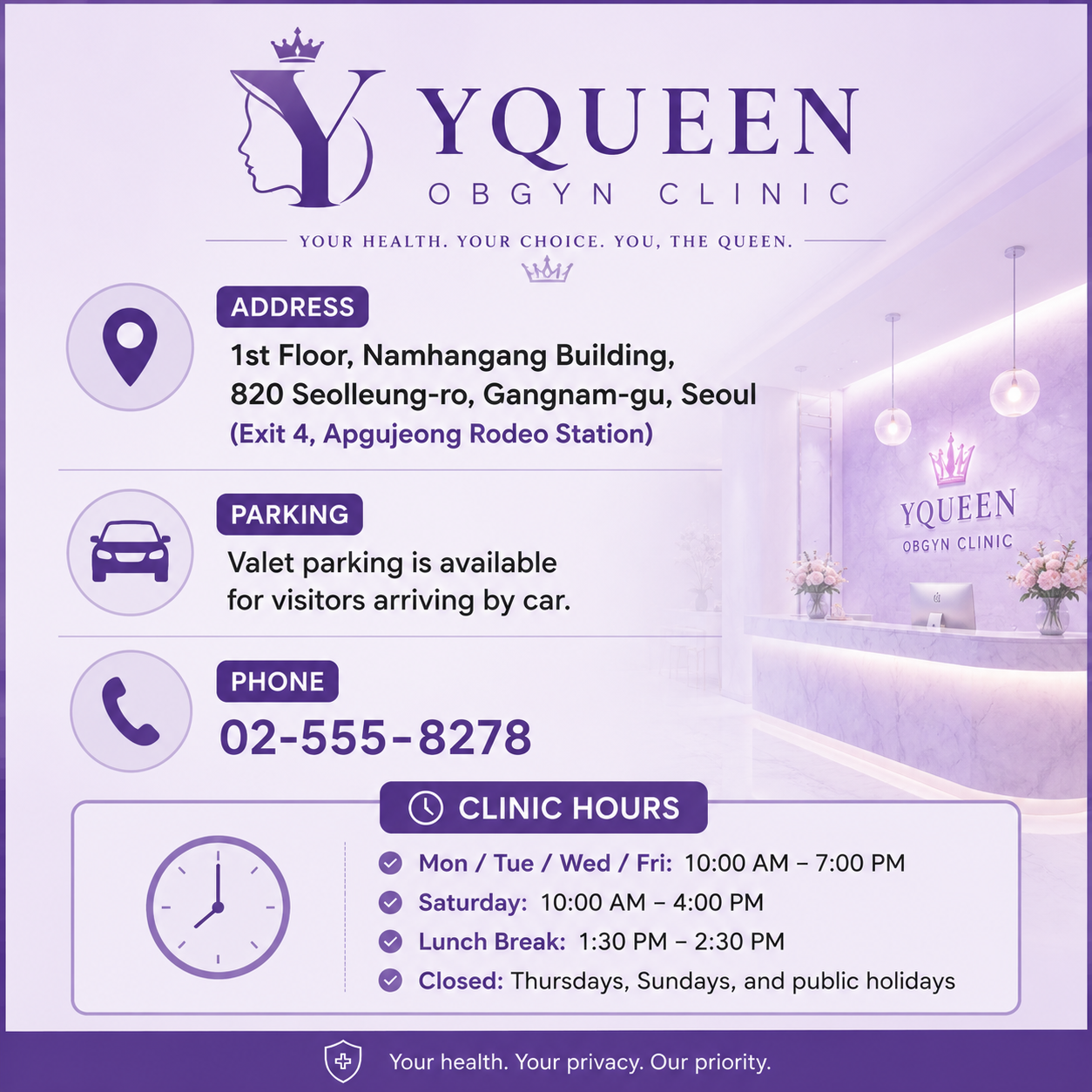
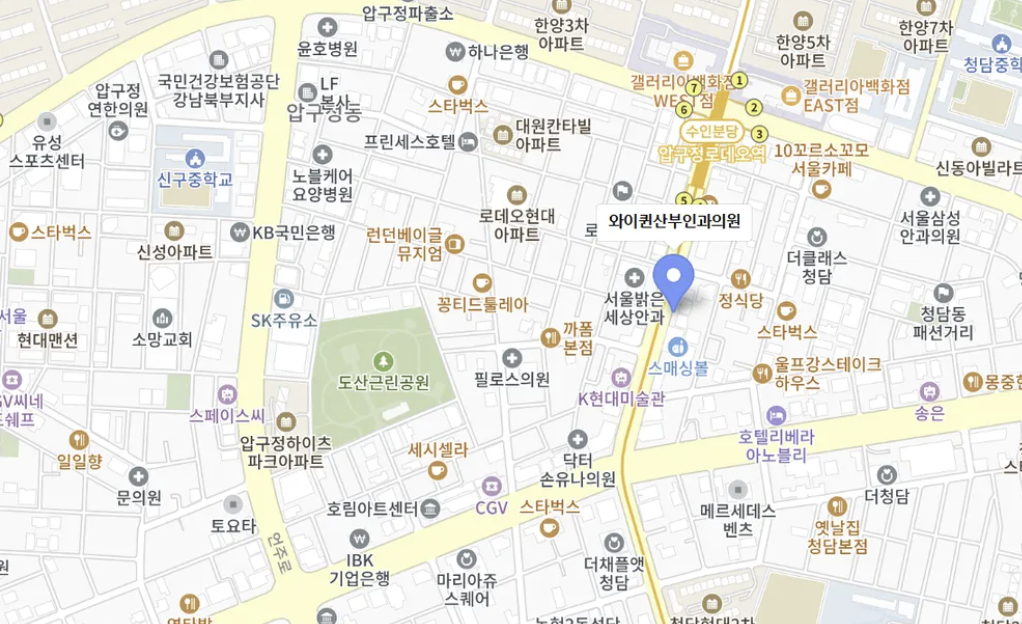
Y Queen Women's Clinic is located in Gangnam, Seoul, with convenient access near Apgujeong Rodeo Station.
The clinic is accessible for international patients living, working, studying, or staying in Gangnam, Cheongdam, Sinsa, Itaewon, Myeongdong, and other central Seoul neighborhoods.
Frequently Asked Questions
What is tuboplasty?
Tuboplasty refers to surgery that repairs, reconstructs, or attempts to reopen damaged or blocked fallopian tubes, usually with the goal of restoring tubal function.
Can blocked fallopian tubes cause infertility?
Yes. Blocked or severely damaged fallopian tubes can prevent sperm and egg from meeting or interfere with movement of a fertilized egg toward the uterus.
Can foreigners get a tuboplasty consultation in Seoul?
Yes. Y Queen Women's Clinic welcomes international patients and provides English-speaking gynecological and fertility consultations.
How do I know if my fallopian tubes are blocked?
Tubal patency may be evaluated using tests such as hysterosalpingography (HSG) or other appropriate investigations. Your doctor will recommend testing based on your fertility history.
Can I get pregnant naturally after tuboplasty?
Natural pregnancy may be possible after successful tubal reconstruction, but outcomes vary considerably according to age, the location and severity of tubal damage, and other fertility factors.
Is tuboplasty better than IVF?
Neither option is universally better. Tuboplasty may be appropriate for selected patients with repairable tubal disease, while IVF may be preferable when the tubes are severely damaged or other fertility factors are present.
Does tuboplasty increase the risk of ectopic pregnancy?
Patients with damaged fallopian tubes and those who undergo tubal reconstructive surgery may have an increased risk of ectopic pregnancy. Early evaluation after a positive pregnancy test is therefore important.
Can hydrosalpinx be treated with tuboplasty?
Selected cases may be considered for reconstructive surgery, but severely damaged tubes may require other treatment. Removal or occlusion of the affected tube before IVF may be recommended in some cases.
How long does recovery take?
Recovery depends on the type and extent of surgery. Minimally invasive procedures generally have shorter recovery periods than open abdominal surgery.
Does Y Queen Women's Clinic perform tuboplasty surgery?
Y Queen Women's Clinic can provide gynecological and fertility evaluation, pelvic ultrasound, treatment counseling, and assessment of suspected tubal-factor infertility. When specialized tubal surgery is required, referral to an appropriate reproductive surgeon or medical center can be coordinated.