Abnormal Uterine Bleeding Treatment
in Seoul
Gangnam Y Queen Women's Clinic
Y Queen Women's Clinic provides English-speaking evaluation and treatment for abnormal uterine bleeding in Gangnam, Seoul. Our OB-GYN specialists diagnose the causes of heavy menstrual bleeding, spotting between periods, prolonged menstruation, and postmenopausal bleeding using pelvic examinations, ultrasound imaging, blood tests, hormone evaluation, and cervical screening when appropriate. We offer personalized treatment for hormonal disorders, uterine fibroids, endometrial polyps, adenomyosis, PCOS, and other gynecological conditions in a comfortable, foreigner-friendly environment for both local and international patients.
Abnormal Uterine Bleeding Treatment in Seoul at Gangnam Y Queen Women's Clinic
Abnormal uterine bleeding refers to vaginal bleeding that differs from your normal menstrual cycle. This may include heavy periods, bleeding between periods, prolonged menstrual bleeding, or bleeding after menopause. While some causes are harmless, abnormal bleeding can also be a sign of hormonal imbalance, uterine fibroids, endometrial polyps, pregnancy-related conditions, or other gynecological disorders that require medical evaluation.
At Y Queen Women's Clinic in Gangnam, Seoul, we provide comprehensive diagnosis and personalized treatment for abnormal uterine bleeding. Our English-speaking women's health team welcomes Korean residents, expats, international students, business travelers, and medical tourists seeking professional gynecological care in Korea.
Using advanced diagnostic tools, including pelvic ultrasound and laboratory testing, we identify the underlying cause of abnormal bleeding and recommend the most appropriate treatment for each patient.
What Is Abnormal Uterine Bleeding?
Abnormal uterine bleeding (AUB) is bleeding from the uterus that differs from your usual menstrual pattern in timing, frequency, duration, or amount.
Examples include:
- Heavy menstrual bleeding
- Bleeding between periods
- Prolonged menstrual periods
- Frequent menstrual cycles
- Infrequent menstrual cycles
- Spotting between periods
- Bleeding after sexual intercourse
- Bleeding after menopause
Persistent or unexpected bleeding should always be evaluated by a gynecologist.
Common Causes of Abnormal Uterine Bleeding
Abnormal bleeding may be caused by:
- Hormonal imbalance
- Uterine fibroids
- Endometrial polyps
- Adenomyosis
- Endometriosis
- Polycystic ovary syndrome (PCOS)
- Pregnancy or miscarriage
- Ectopic pregnancy
- Perimenopause
- Menopause
- Thyroid disorders
- Blood clotting disorders
- Certain medications
- Endometrial hyperplasia
- Gynecological cancers (less common)
Accurate diagnosis is essential because treatment depends on the underlying cause.
Who Should Seek Evaluation?
You should visit a gynecologist if you experience:
- Heavy menstrual bleeding
- Bleeding between periods
- Menstrual periods lasting longer than seven days
- Bleeding after menopause
- Bleeding after sexual intercourse
- Sudden changes in your menstrual cycle
- Severe menstrual pain with abnormal bleeding
- Frequent spotting
- Symptoms of anemia such as fatigue or dizziness
Prompt medical evaluation is especially important if bleeding is heavy, persistent, or occurs during pregnancy.
Symptoms That May Accompany Abnormal Bleeding
Additional symptoms may include:
- Pelvic pain
- Menstrual cramps
- Fatigue
- Dizziness
- Weakness
- Blood clots during menstruation
- Irregular menstrual cycles
- Abdominal pressure
- Pain during intercourse
These symptoms help your doctor determine the possible cause of abnormal bleeding.
What Happens During Your Visit?
Your appointment may include:
- Medical history review
- Menstrual history assessment
- Physical examination
- Pelvic examination
- Pelvic ultrasound
- Pregnancy testing if appropriate
- Blood tests
- Hormone evaluation when indicated
- Pap smear if recommended
- Discussion of diagnosis and treatment options
Additional testing may be recommended depending on your symptoms and medical history.
Treatment Options
Treatment depends on the cause, severity of symptoms, age, and reproductive goals.
Options may include:
- Hormonal therapy
- Birth control pills
- Progesterone treatment
- Medications to reduce heavy bleeding
- Iron supplementation for anemia
- Treatment of thyroid disorders
- Fibroid or polyp management
- Minimally invasive procedures when appropriate
- Referral for surgical treatment if necessary
Our goal is to control bleeding while treating the underlying condition.
How Should I Prepare?
Before your appointment:
- Record the dates and duration of your bleeding
- Note how many sanitary pads or tampons you use daily
- Track your menstrual cycles
- Bring previous ultrasound reports if available
- List any medications you are taking
Keeping a menstrual diary can be helpful during your consultation.
Abnormal Uterine Bleeding Diagnosis
Your doctor may recommend one or more diagnostic tests.
Pelvic Ultrasound
Evaluates the uterus, ovaries, fibroids, polyps, and endometrial lining.
Pelvic Examination
Assesses for abnormalities of the cervix, uterus, and vagina.
Blood Tests
May evaluate anemia, hormone levels, thyroid function, or pregnancy.
Pap Smear
May be recommended based on your age, symptoms, and screening history.
Endometrial Evaluation
Additional testing may be recommended for certain patients to evaluate the uterine lining.
Abnormal Uterine Bleeding Treatment Cost in Seoul
At Y Queen Women's Clinic:
- Consultation fees vary depending on the evaluation required.
- Additional costs depend on pelvic ultrasound, laboratory testing, Pap smear, or other diagnostic procedures.
- Your doctor will explain recommended examinations and estimated costs before treatment begins.
Why Choose Y Queen Women's Clinic?
International patients choose Y Queen because of its:
- English-speaking medical support
- Female-focused healthcare
- Comprehensive gynecological evaluations
- Pelvic ultrasound available onsite
- Hormone testing
- Pap smear and cervical screening
- Modern diagnostic equipment
- Personalized treatment plans
- Convenient Gangnam location
- Foreigner-friendly appointment process
We provide compassionate, evidence-based care for women experiencing abnormal uterine bleeding.
Convenient Location in Gangnam
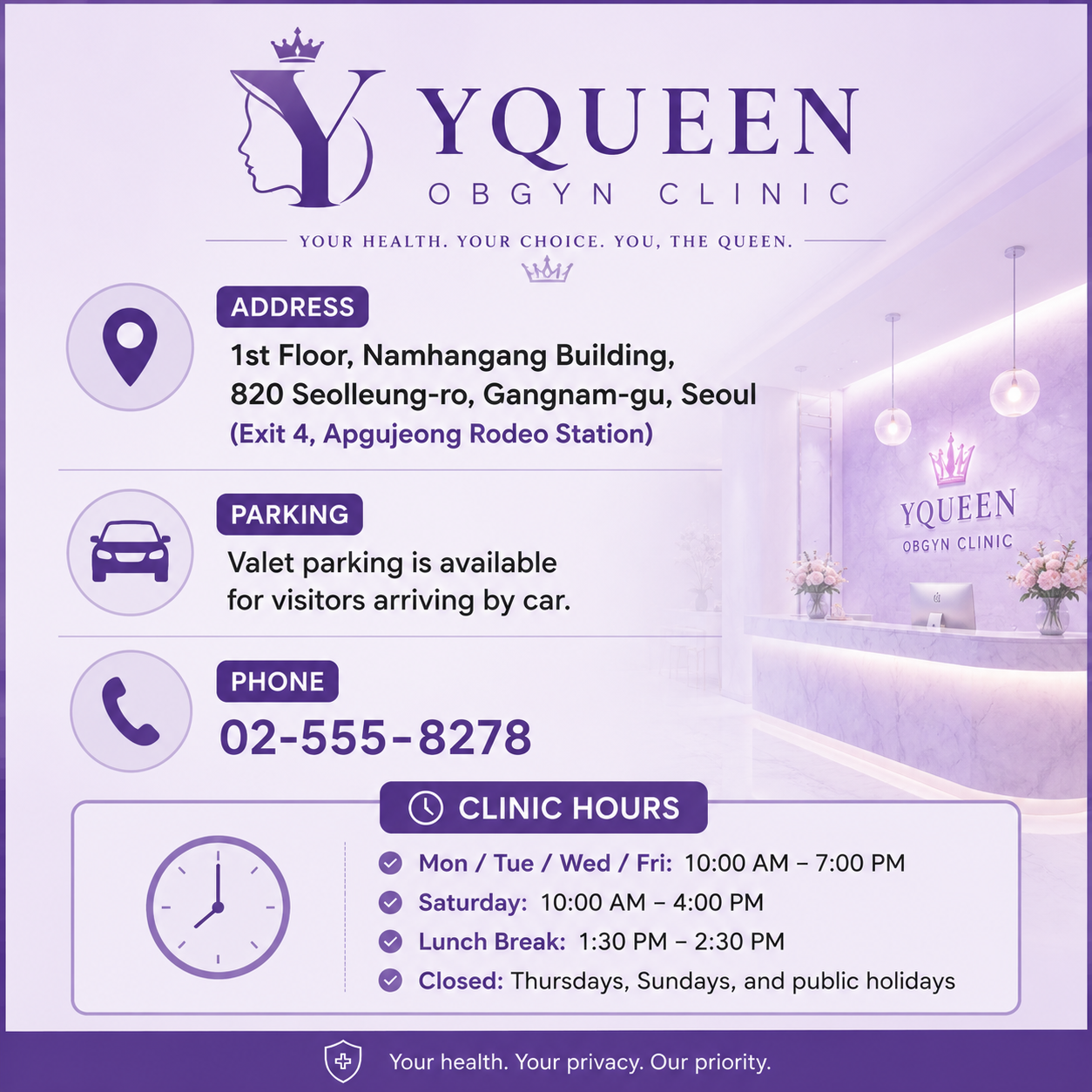
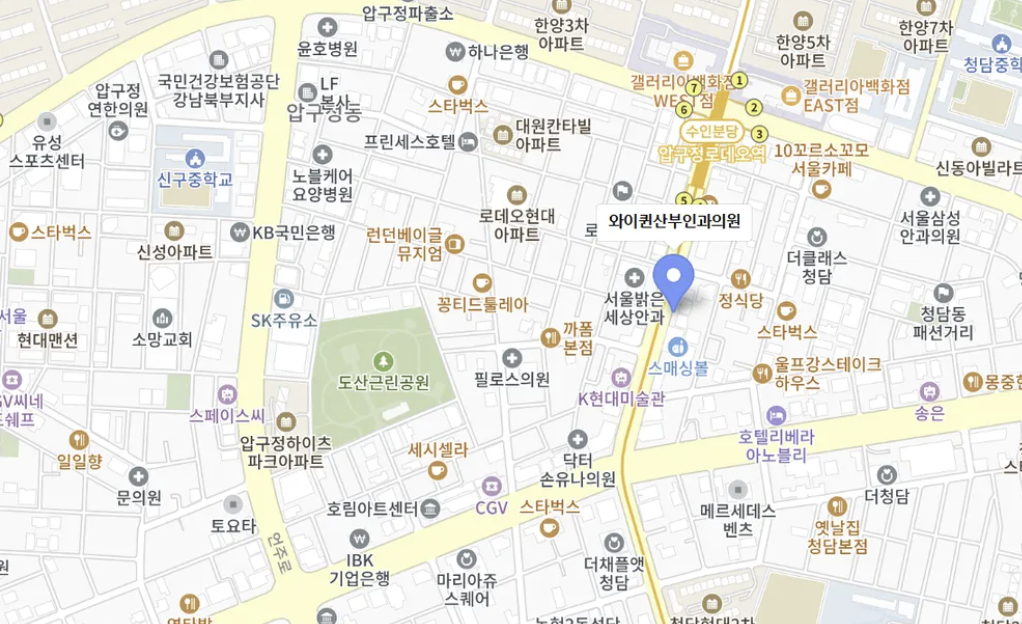
Y Queen Women's Clinic is located in Gangnam, Seoul, with convenient access near Apgujeong Rodeo Station, making it easy for international visitors staying in Gangnam, Cheongdam, Sinsa, Itaewon, Myeongdong, or other central Seoul neighborhoods to visit.
Frequently Asked Questions
What is considered abnormal uterine bleeding?
Abnormal uterine bleeding includes heavy periods, bleeding between periods, prolonged menstrual bleeding, bleeding after menopause, or menstrual cycles that are unusually frequent or infrequent.
Is abnormal bleeding always serious?
Not necessarily. Many cases are caused by hormonal changes or benign conditions, but abnormal bleeding should always be evaluated to rule out more serious disorders.
Can foreigners receive treatment in Seoul?
Yes. Y Queen Women's Clinic welcomes international patients and provides English-speaking assistance.
Will I need an ultrasound?
Many patients undergo a pelvic ultrasound to evaluate the uterus, ovaries, and endometrial lining as part of the diagnostic process.
Can abnormal bleeding affect fertility?
Some underlying conditions, such as fibroids, polyps, PCOS, or hormonal disorders, may affect fertility if left untreated.
How long does the appointment take?
Most consultations are completed within 30–60 minutes, depending on whether additional examinations or diagnostic tests are required.
Should I seek emergency care for heavy bleeding?
Yes. Seek immediate medical attention if you experience extremely heavy bleeding, dizziness, fainting, severe abdominal pain, or bleeding during pregnancy.
Can treatment begin on the same day?
Many patients can begin medical treatment immediately after diagnosis,
depending on the underlying cause and recommended care plan.