Adenomyosis Treatment in Seoul
Gangnam Y Queen Women's Clinic
Y Queen Women's Clinic provides English-speaking diagnosis and treatment for adenomyosis in Gangnam, Seoul. Our OB-GYN specialists evaluate symptoms such as heavy menstrual bleeding, severe menstrual cramps, chronic pelvic pain, and enlarged uterus using pelvic examinations, ultrasound imaging, and individualized clinical assessment. We offer personalized treatment plans including hormonal therapy, pain management, medications to reduce heavy bleeding, fertility counseling, and referral for minimally invasive or surgical treatment when appropriate, providing compassionate, foreigner-friendly care for both local and international patients.
Adenomyosis Treatment in Seoul at Gangnam Y Queen Women's Clinic
Adenomyosis is a common gynecological condition in which tissue similar to the uterine lining grows into the muscular wall of the uterus. This can cause heavy menstrual bleeding, severe menstrual cramps, chronic pelvic pain, and an enlarged uterus. Although adenomyosis is a benign condition, it can significantly affect daily life and quality of life if left untreated.
At Y Queen Women's Clinic in Gangnam, Seoul, we provide comprehensive evaluation and personalized treatment for adenomyosis. Our English-speaking women's health team welcomes Korean residents, expats, international students, business travelers, and medical tourists seeking professional gynecological care in Korea.
Using pelvic ultrasound, clinical evaluation, and individualized treatment plans, our OB-GYN specialists help patients relieve symptoms, improve menstrual health, and support their reproductive goals whenever possible.
What Is Adenomyosis?
Adenomyosis occurs when endometrial-like tissue grows into the muscular wall of the uterus (myometrium). During each menstrual cycle, this tissue responds to hormonal changes, leading to inflammation, uterine enlargement, and painful or heavy periods.
Unlike endometriosis, which occurs outside the uterus, adenomyosis develops within the uterine muscle.
The condition most commonly affects women in their 30s and 40s but can occur at other ages as well.
Common Symptoms of Adenomyosis
Symptoms may include:
- Heavy menstrual bleeding
- Prolonged menstrual periods
- Severe menstrual cramps
- Chronic pelvic pain
- Pelvic pressure
- Lower abdominal pain
- Pain during sexual intercourse
- Blood clots during menstruation
- Enlarged or tender uterus
- Fatigue related to heavy bleeding
- Iron-deficiency anemia
Some women have mild symptoms, while others experience significant pain and heavy bleeding.
What Causes Adenomyosis?
The exact cause of adenomyosis is not fully understood. Possible contributing factors include:
- Hormonal influences
- Previous uterine surgery
- Childbirth
- Inflammation of the uterine lining
- Genetic factors
- Increasing age during reproductive years
Adenomyosis often improves naturally after menopause as hormone levels decline.
Who Should Seek Evaluation?
You should visit a gynecologist if you experience:
- Heavy menstrual bleeding
- Severe menstrual cramps
- Pelvic pain between periods
- Menstrual periods lasting longer than usual
- Pelvic pressure
- Symptoms of anemia
- Pain that interferes with work or daily activities
- Difficulty becoming pregnant
Early diagnosis allows for more effective symptom management and treatment planning.
How Is Adenomyosis Diagnosed?
Your evaluation may include:
- Medical history review
- Menstrual history assessment
- Symptom evaluation
- Pelvic examination
- Pelvic ultrasound
- MRI in selected cases
- Blood tests if heavy bleeding has caused anemia
Pelvic ultrasound is commonly used as the first imaging study to evaluate adenomyosis and exclude other gynecological conditions such as fibroids.
Treatment Options
Treatment depends on your symptoms, age, and future pregnancy plans.
Options may include:
- Pain relief medications
- Hormonal therapy
- Birth control pills
- Progestin therapy
- Hormonal intrauterine device (IUD) consultation
- Medications to reduce heavy menstrual bleeding
- Iron supplementation for anemia
- Referral for minimally invasive procedures or surgery when appropriate
Your doctor will recommend a personalized treatment plan based on your symptoms and reproductive goals.
Can Adenomyosis Affect Fertility?
Some women with adenomyosis may experience difficulty becoming pregnant, although many are able to conceive successfully.
If you are planning pregnancy, your doctor may recommend:
- Early evaluation
- Fertility counseling
- Individualized treatment before conception
- Ongoing monitoring during pregnancy planning
Discussing your reproductive goals during your consultation helps guide treatment decisions.
How Should I Prepare?
Before your appointment:
- Track your menstrual cycle and bleeding patterns
- Record pelvic pain and menstrual symptoms
- Bring previous ultrasound or medical records if available
- List your current medications
- Prepare questions regarding fertility or treatment options
Keeping a menstrual diary can help your doctor better evaluate your symptoms.
Adenomyosis Treatment Cost in Seoul
At Y Queen Women's Clinic:
- Consultation fees vary depending on the evaluation required.
- Additional costs depend on pelvic ultrasound, laboratory testing, or MRI if recommended.
- Treatment recommendations and estimated costs will be discussed during your consultation.
Why Choose Y Queen Women's Clinic?
International patients choose Y Queen because of its:
- English-speaking medical support
- Experienced OB-GYN specialists
- Pelvic ultrasound available onsite
- Comprehensive adenomyosis evaluation
- Personalized treatment plans
- Fertility-focused care
- Modern diagnostic equipment
- Comfortable, private consultation rooms
- Convenient Gangnam location
- Foreigner-friendly appointment process
We provide compassionate, evidence-based care to help women effectively manage adenomyosis and improve their quality of life.
Convenient Location in Gangnam
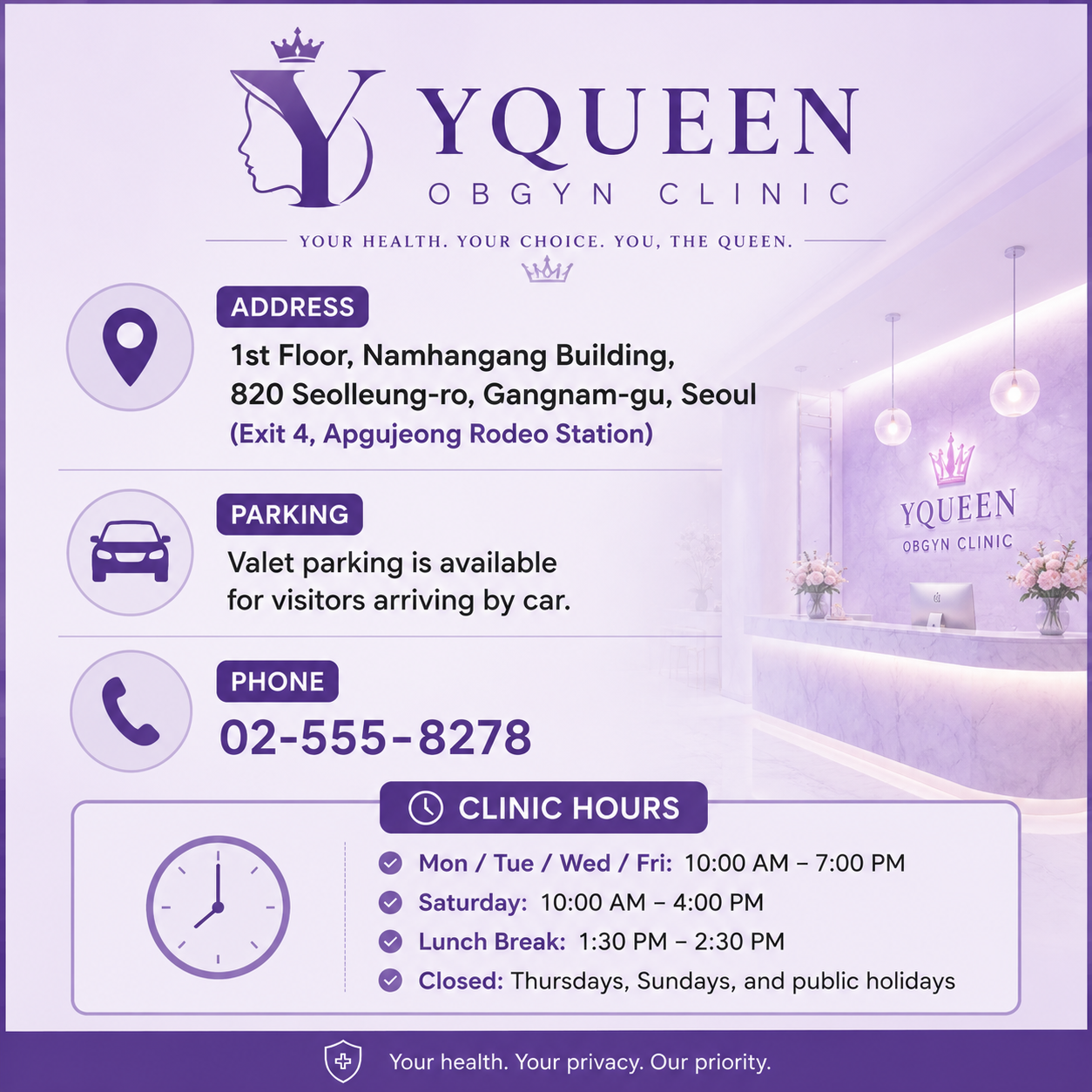
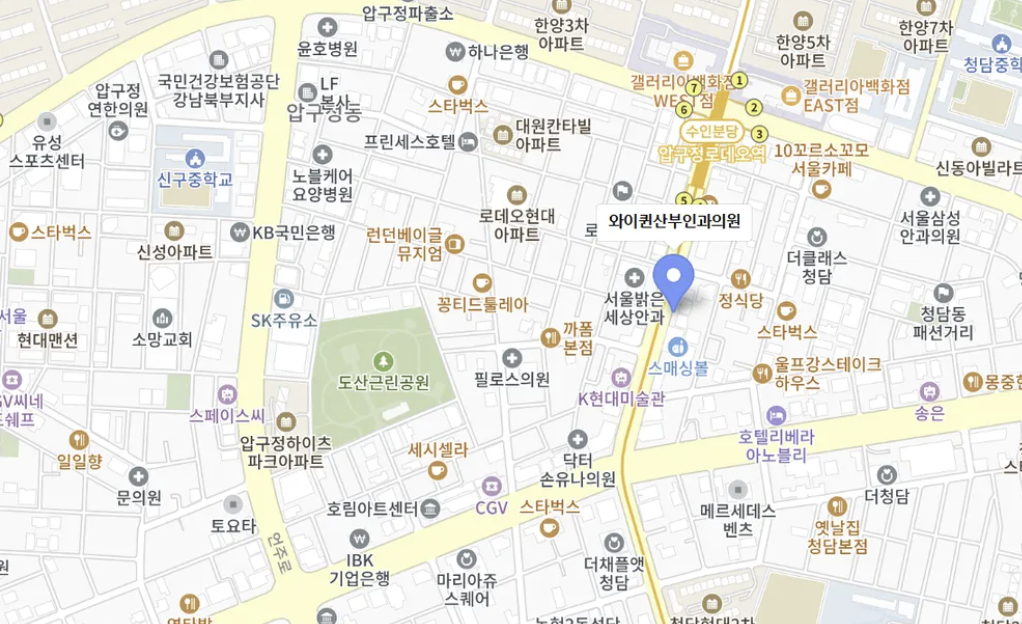
Y Queen Women's Clinic is located in Gangnam, Seoul, with convenient access near Apgujeong Rodeo Station, making it easy for international visitors staying in Gangnam, Cheongdam, Sinsa, Itaewon, Myeongdong, or other central Seoul neighborhoods to visit.
Frequently Asked Questions
What is adenomyosis?
Adenomyosis is a condition in which tissue similar to the uterine lining grows into the muscular wall of the uterus, causing heavy menstrual bleeding, painful periods, and pelvic pain.
What is the difference between adenomyosis and endometriosis?
Adenomyosis occurs within the muscular wall of the uterus, while endometriosis involves tissue growing outside the uterus. Some women may have both conditions.
Can adenomyosis be diagnosed with ultrasound?
Yes. Pelvic ultrasound is commonly used to identify features suggestive of adenomyosis, although MRI may be recommended in selected cases.
Can foreigners receive treatment in Seoul?
Yes. Y Queen Women's Clinic welcomes international patients and provides English-speaking assistance.
Can adenomyosis affect fertility?
Yes. Adenomyosis may affect fertility in some women, although many women with the condition are able to conceive naturally.
Is adenomyosis curable?
Treatment focuses on relieving symptoms and improving quality of life. The most appropriate approach depends on your age, symptom severity, and future pregnancy plans.
How long does the appointment take?
Most consultations are completed within 30–60 minutes,
depending on whether additional examinations or imaging studies are required.
When should I see a gynecologist?
You should seek evaluation if you experience heavy menstrual bleeding, severe cramps, chronic pelvic pain, prolonged periods, or symptoms that interfere with your daily activities.