Hysterectomy Consultation in Seoul Gangnam Y Queen Women's Clinic
Y Queen Women's Clinic provides English-speaking hysterectomy consultations and comprehensive gynecological evaluations in Gangnam, Seoul for local and international patients. Hysterectomy removes the uterus and may be considered for severe uterine fibroids, persistent abnormal uterine bleeding, adenomyosis, uterine prolapse, selected chronic pelvic pain conditions, or certain gynecologic cancers and precancerous conditions. Our OB-GYN specialists evaluate symptoms using clinical assessment, pelvic ultrasound, and additional testing when indicated while discussing medication, myomectomy, hysteroscopic treatment, uterine fibroid embolization, and other uterus-preserving alternatives when appropriate. If hysterectomy is recommended, referral to an appropriate gynecologic surgeon or medical center can be coordinated.
A hysterectomy is a surgical procedure that removes the uterus. It may be considered for women with severe uterine fibroids, persistent abnormal bleeding, adenomyosis, chronic pelvic pain related to certain gynecological conditions, uterine prolapse, or some gynecologic cancers and precancerous conditions. Because hysterectomy permanently eliminates the ability to carry a pregnancy, careful evaluation and discussion of alternatives are important before surgery.
At Y Queen Women's Clinic in Gangnam, Seoul, we provide comprehensive gynecological evaluation and hysterectomy consultations for women considering surgical treatment. Our English-speaking women's health team welcomes Korean residents, expats, international students, business travelers, and medical tourists seeking professional women's healthcare in Korea.
Our OB-GYN specialists evaluate the underlying cause of your symptoms, discuss conservative and surgical treatment options, and help determine whether hysterectomy may be appropriate. When hospital-based surgery is required, referral to an appropriate gynecologic surgeon or medical center can be coordinated.
What Is a Hysterectomy?
A hysterectomy is an operation that removes the uterus.
After a hysterectomy:
- Menstrual periods permanently stop
- Pregnancy can no longer be carried
- Uterine conditions such as fibroids cannot recur in the uterus
- Hormonal effects depend largely on whether the ovaries are also removed
A hysterectomy does not automatically mean that the ovaries will be removed.
Why Is a Hysterectomy Performed?
Hysterectomy may be considered for conditions including:
- Symptomatic uterine fibroids
- Severe or persistent abnormal uterine bleeding
- Adenomyosis
- Uterine prolapse
- Certain causes of chronic pelvic pain
- Some cases of severe endometriosis
- Precancerous conditions affecting reproductive organs
- Uterine or other gynecologic cancers
- Other serious uterine conditions
For benign conditions, less invasive treatments are often considered before hysterectomy when medically appropriate.
Types of Hysterectomy
The extent of surgery depends on the underlying condition.
Total Hysterectomy
A total hysterectomy removes:
- The uterus
- The cervix
This is one of the most commonly performed types.
Supracervical Hysterectomy
Also called a subtotal or partial hysterectomy, this procedure removes the main body of the uterus while leaving the cervix in place.
Radical Hysterectomy
A radical hysterectomy removes the uterus, cervix, and additional surrounding tissues and is generally reserved for selected gynecologic cancers.
The appropriate procedure depends on your diagnosis and individual circumstances.
Are the Ovaries Removed During a Hysterectomy?
Not necessarily.
A hysterectomy removes the uterus. Removal of the ovaries is a separate procedure called an oophorectomy.
For many premenopausal women undergoing hysterectomy for benign conditions, preserving healthy ovaries may be considered because the ovaries continue to produce important hormones.
Whether the ovaries should remain or be removed depends on factors such as:
- Age
- Ovarian health
- Cancer risk
- Family history
- Genetic risk factors
- Reason for surgery
Your surgeon will discuss this separately before treatment.
Does a Hysterectomy Cause Menopause?
Removing the uterus alone does not necessarily cause immediate menopause if the ovaries remain functional.
However, if both ovaries are removed before natural menopause, the sudden reduction in ovarian hormones causes surgical menopause.
Symptoms may include:
- Hot flashes
- Night sweats
- Vaginal dryness
- Sleep disturbances
- Mood changes
Hormone therapy may be considered for some patients after surgical menopause, depending on their medical history.
Who May Need a Hysterectomy?
A hysterectomy may be considered when:
- Symptoms significantly affect quality of life
- Heavy bleeding causes persistent anemia
- Large fibroids cause pain or pressure
- Adenomyosis causes severe symptoms
- Other treatments have not provided adequate relief
- Uterine prolapse causes significant symptoms
- A precancerous or cancerous condition requires surgery
- Definitive treatment is preferred after appropriate counseling
The decision should be individualized and based on your diagnosis, symptoms, medical history, and reproductive goals.
How Are Symptoms Evaluated Before Surgery?
Before considering hysterectomy, your evaluation may include:
- Medical history review
- Menstrual and bleeding history
- Pelvic examination
- Pelvic or transvaginal ultrasound
- Blood tests
- Pregnancy testing when appropriate
- Cervical screening
- Endometrial evaluation when indicated
- Review of previous imaging
- MRI or other imaging in selected cases
The purpose is to identify the underlying condition and determine whether hysterectomy or another treatment is most appropriate.
What Happens During Your Consultation?
Your appointment may include:
- Detailed symptom assessment
- Medical and surgical history
- Menstrual history
- Pregnancy and fertility history
- Pelvic examination
- Pelvic ultrasound
- Review of previous test results
- Discussion of non-surgical treatment options
- Explanation of hysterectomy approaches
- Discussion of ovarian preservation
- Surgical referral when appropriate
Patients are encouraged to discuss concerns about fertility, menopause, sexual health, recovery, and long-term health.
Surgical Approaches to Hysterectomy
Hysterectomy can be performed using several surgical approaches.
Laparoscopic Hysterectomy
A laparoscopic hysterectomy uses small abdominal incisions and minimally invasive surgical instruments.
Potential advantages may include:
- Smaller incisions
- Shorter hospitalization
- Faster recovery
- Less postoperative discomfort compared with open surgery in selected patients
Vaginal Hysterectomy
The uterus is removed through the vagina without an external abdominal incision.
This approach may be appropriate for selected patients.
Robotic-Assisted Hysterectomy
Some hospitals offer robotic-assisted minimally invasive hysterectomy.
Suitability depends on your condition, surgical complexity, surgeon experience, and facility availability.
Abdominal Hysterectomy
An abdominal hysterectomy uses an incision in the lower abdomen.
It may be necessary for certain large uterine conditions, complex surgery, or other clinical circumstances.
Hysterectomy for Uterine Fibroids
Hysterectomy provides definitive treatment for uterine fibroids because the uterus is removed.
However, women who wish to preserve the uterus may have alternatives, including:
- Medication
- Hormonal treatment
- Myomectomy
- Uterine fibroid embolization in appropriate patients
- Other minimally invasive treatments
The best option depends on fibroid size, number, location, symptoms, age, and reproductive goals.
Hysterectomy for Adenomyosis
Adenomyosis occurs when tissue similar to the uterine lining grows within the muscular wall of the uterus.
Symptoms may include:
- Heavy menstrual bleeding
- Severe menstrual cramps
- Chronic pelvic pain
- Enlarged or tender uterus
Medication and hormonal treatments are often considered first. Hysterectomy may provide definitive treatment for severe adenomyosis when conservative approaches are unsuccessful and future pregnancy is not desired.
Hysterectomy and Fertility
A hysterectomy permanently removes the ability to carry a pregnancy because the uterus is removed.
For women who may want future pregnancies, alternatives should be carefully considered before surgery.
Depending on the condition, these may include:
- Medication
- Hormonal therapy
- Myomectomy
- Hysteroscopic procedures
- Other uterus-preserving treatments
Discuss your reproductive goals clearly with your doctor before making a surgical decision.
Risks and Possible Complications
As with any major surgery, hysterectomy has potential risks.
These may include:
- Bleeding
- Infection
- Blood clots
- Anesthesia-related complications
- Injury to the bladder, bowel, ureters, or blood vessels
- Urinary complications
- Need for additional surgery
- Earlier ovarian dysfunction in some patients even when ovaries are preserved
Your surgeon will discuss risks based on the type of surgery and your individual health.
Recovery After Hysterectomy
Recovery varies considerably depending on the surgical approach.
After surgery, patients may experience:
- Pelvic or abdominal discomfort
- Fatigue
- Light vaginal bleeding or discharge
- Temporary limitations on physical activity
Recovery is generally faster after minimally invasive procedures than after open abdominal surgery.
Your surgeon will provide individualized instructions about:
- Returning to work
- Exercise
- Heavy lifting
- Driving
- Sexual intercourse
- Follow-up appointments
How Should I Prepare for a Hysterectomy Consultation?
Before your appointment:
- Track abnormal bleeding and menstrual symptoms
- Record pelvic pain or pressure
- Bring previous ultrasound or MRI reports
- List medications and supplements
- Bring previous gynecological or surgical records
- Consider your future reproductive goals
- Prepare questions about alternatives to hysterectomy
This information helps your doctor develop an appropriate treatment plan.
Hysterectomy Consultation Cost in Seoul
At Y Queen Women's Clinic:
- Consultation fees vary depending on the evaluation required.
- Additional costs may apply for pelvic ultrasound, laboratory tests, or other diagnostic examinations.
- If hysterectomy is recommended, hospital and surgical costs depend on the surgical approach, anesthesia, hospitalization, and treating facility.
Treatment options and estimated costs can be discussed before surgical referral.
Why Choose Y Queen Women's Clinic?
International patients choose Y Queen because of its:
- English-speaking medical support
- Experienced OB-GYN specialists
- Comprehensive gynecological evaluation
- Pelvic ultrasound available
- Uterine fibroid and adenomyosis evaluation
- Personalized treatment planning
- Discussion of uterus-preserving alternatives
- Menopause and hormone counseling
- Comfortable, private consultation rooms
- Convenient Gangnam location
- Foreigner-friendly appointment process
- Surgical referral coordination when required
We provide individualized gynecological care to help patients understand their diagnosis and make informed decisions about surgical and non-surgical treatment.
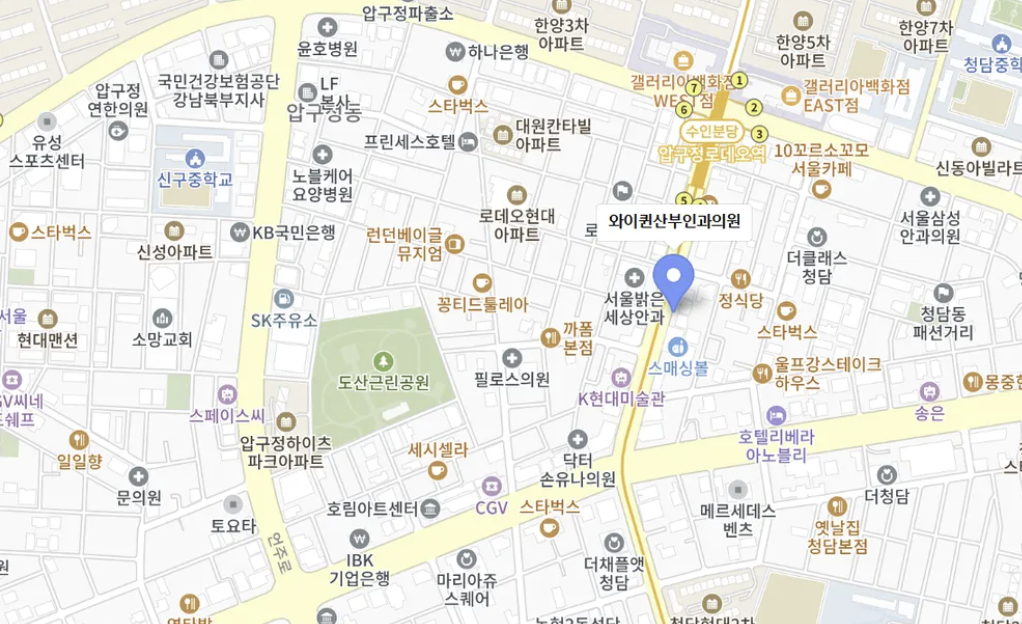
Convenient Location in Gangnam
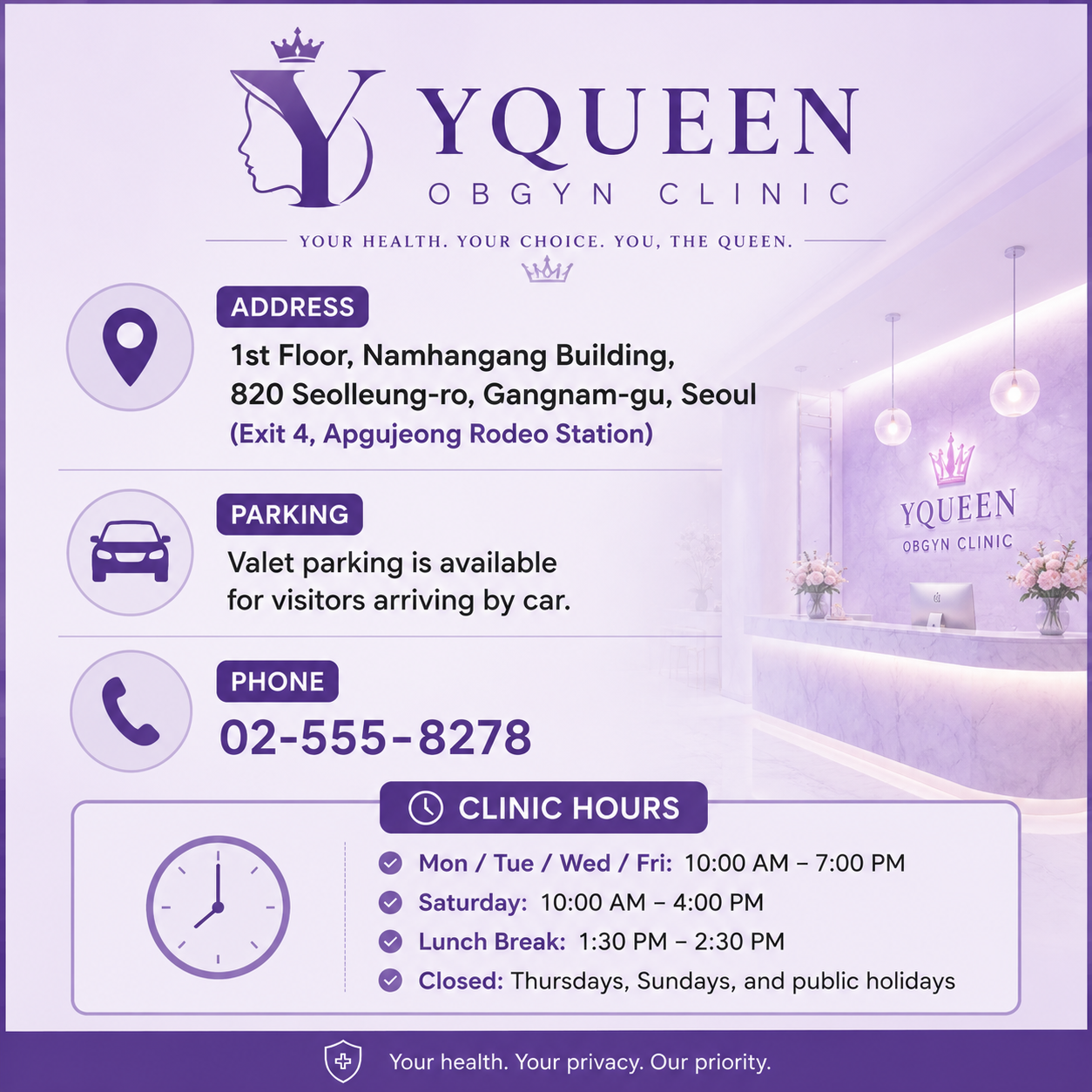
Y Queen Women's Clinic is located in Gangnam, Seoul, with convenient access near Apgujeong Rodeo Station.
The clinic is accessible for international patients living, working, studying, or staying in Gangnam, Cheongdam, Sinsa, Itaewon, Myeongdong, and other central Seoul neighborhoods.
Frequently Asked Questions
What is a hysterectomy?
A hysterectomy is a surgical procedure that removes the uterus. Depending on the type of hysterectomy, the cervix may also be removed.
Will I still have periods after a hysterectomy?
No. Menstrual periods stop permanently after the uterus is removed.
Can I become pregnant after a hysterectomy?
No. Pregnancy cannot be carried after hysterectomy because the uterus has been removed.
Does a hysterectomy mean my ovaries will also be removed?
No. Removal of the ovaries is a separate procedure. Healthy ovaries may be preserved in many patients depending on age, medical history, and reason for surgery.
Does hysterectomy cause menopause?
Not necessarily. If the ovaries remain functional, immediate surgical menopause generally does not occur. Removing both ovaries before natural menopause causes surgical menopause.
Can foreigners get a hysterectomy consultation in Seoul?
Yes. Y Queen Women's Clinic welcomes international patients and provides English-speaking gynecological consultations.
Are there alternatives to hysterectomy?
Yes. Depending on your condition, alternatives may include medication, hormonal treatment, myomectomy, hysteroscopic treatment, uterine fibroid embolization, or other conservative approaches.
How long does hysterectomy recovery take?
Recovery depends on the surgical approach and individual patient. Minimally invasive procedures generally have shorter recovery times than open abdominal hysterectomy.
Is hysterectomy a treatment for fibroids?
Yes. Hysterectomy is a definitive treatment for uterine fibroids, but less invasive and uterus-preserving options may be appropriate for many patients.
Does Y Queen Women's Clinic perform hysterectomy surgery?
Y Queen Women's Clinic can provide gynecological evaluation, pelvic ultrasound, treatment counseling, and assessment for conditions that may require hysterectomy. When hospital-based surgery is necessary, referral to an appropriate gynecologic surgeon or medical center can be coordinated.