LEEP Surgery in Seoul
Gangnam Y Queen Women's Clinic
Y Queen Women's Clinic provides English-speaking LEEP consultations and cervical health evaluations in Gangnam, Seoul for local and international patients. LEEP, or Loop Electrosurgical Excision Procedure, removes abnormal cervical tissue and may be recommended after Pap testing, HPV testing, colposcopy, and biopsy identify significant cervical dysplasia such as selected CIN 2 or CIN 3 lesions. Our OB-GYN specialists provide cervical cancer screening, HPV testing, evaluation of abnormal Pap results, treatment counseling, fertility-conscious planning, and appropriate follow-up. LEEP removes abnormal cervical tissue but does not directly cure HPV, making continued cervical screening important after treatment. When specialized treatment is required, appropriate referral can be coordinated.
What Is LEEP Surgery?
LEEP stands for Loop Electrosurgical Excision Procedure.
The procedure uses a thin wire loop carrying an electrical current to remove a small area of abnormal cervical tissue.
LEEP has two important purposes:
- Treating abnormal or precancerous cervical tissue
- Providing tissue that can be examined by a pathology laboratory
Pathological examination helps determine the severity of abnormal cells and whether the abnormal area appears to have been adequately removed.
Why Is LEEP Performed?
LEEP may be recommended when cervical evaluation identifies abnormalities requiring treatment.
These may include:
- High-grade cervical dysplasia
- Cervical intraepithelial neoplasia (CIN)
- Certain persistent abnormal cervical findings
- Abnormal cervical biopsy results
- Precancerous cervical lesions
- Selected abnormalities identified after colposcopy
Not every abnormal Pap smear or positive HPV test requires LEEP.
The decision depends primarily on the overall cervical screening and biopsy results.
What Is Cervical Dysplasia?
Cervical dysplasia refers to abnormal changes in cells on the surface of the cervix.
These changes are often associated with persistent infection with high-risk HPV.
Cervical dysplasia may be classified as:
- CIN 1
- CIN 2
- CIN 3
Lower-grade abnormalities may sometimes resolve naturally and can often be monitored.
Higher-grade abnormalities have a greater risk of progressing over time and may require treatment such as LEEP or another excisional procedure.
LEEP and HPV
High-risk HPV infection is responsible for most cervical precancerous changes and cervical cancers.
However, having HPV does not automatically mean you need LEEP.
Many HPV infections clear naturally.
LEEP is generally considered when testing and cervical biopsy show specific abnormal cellular changes that require treatment rather than simply because an HPV test is positive.
Abnormal Pap Smear and LEEP
An abnormal Pap smear does not necessarily mean that LEEP is required.
Depending on your result, the next step may involve:
- Repeat Pap testing
- HPV testing
- Colposcopy
- Cervical biopsy
- Continued surveillance
- Treatment of confirmed high-grade abnormalities
Your OB-GYN will recommend the appropriate next step based on current cervical screening guidelines and your individual results.
What Is Colposcopy?
Colposcopy is an examination that allows the doctor to closely inspect the cervix using magnification.
During colposcopy, a small cervical biopsy may be taken from suspicious areas.
LEEP is often considered only after colposcopy and biopsy confirm cervical abnormalities that warrant excisional treatment.
Who May Need LEEP?
LEEP may be considered for patients with:
- CIN 2
- CIN 3
- High-grade squamous intraepithelial lesions (HSIL)
- Persistent significant cervical abnormalities
- Certain abnormal biopsy findings
- Other cervical lesions requiring excisional diagnosis or treatment
The appropriate treatment depends on individual clinical circumstances.
What Happens During Your Consultation?
Your appointment may include:
- Medical history review
- Menstrual and pregnancy history
- Review of previous Pap smear results
- Review of HPV testing
- Review of colposcopy findings
- Review of cervical biopsy results
- Pelvic examination when appropriate
- Discussion of cervical dysplasia
- Explanation of LEEP and alternatives
- Fertility and pregnancy counseling
- Follow-up planning
If you have previous cervical screening or biopsy reports, bringing them to your appointment can help with treatment planning.
How Is LEEP Performed?
LEEP is usually performed through the vagina without an abdominal incision.
During the procedure:
- A speculum is placed to visualize the cervix.
- Appropriate anesthesia or pain control is provided.
- The abnormal area of the cervix is identified.
- A thin electrified wire loop is used to remove the abnormal tissue.
- Bleeding is controlled.
- The removed tissue is sent for pathological examination.
The exact technique depends on the location and extent of the abnormal cervical tissue.
Does LEEP Hurt?
Discomfort varies between patients.
Local anesthesia is commonly used, and patients may experience:
- Mild pressure
- Menstrual-like cramping
- Brief discomfort
- Mild cramping afterward
Your physician will explain pain-control options before the procedure.
How Long Does LEEP Take?
The procedure itself is generally relatively short.
Additional time may be required for:
- Preparation
- Consultation
- Local anesthesia
- Observation after the procedure
- Post-treatment instructions
The exact appointment duration depends on your individual circumstances and clinical setting.
What Happens to the Removed Tissue?
Tissue removed during LEEP is generally sent to a pathology laboratory.
The pathology report can provide important information about:
- The type of abnormal cells
- Severity of cervical dysplasia
- Whether more serious disease is present
- Whether abnormal cells extend to the edges of the removed specimen
These findings help determine whether additional monitoring or treatment is necessary.
Recovery After LEEP
After LEEP, temporary symptoms may include:
- Mild pelvic cramping
- Light vaginal bleeding
- Spotting
- Watery or dark vaginal discharge
Your physician will provide specific aftercare instructions.
During healing, patients may be advised to temporarily avoid certain activities involving the vagina or cervix.
When Can I Have Sexual Intercourse After LEEP?
Vaginal intercourse usually needs to be avoided while the cervix heals.
Your doctor will provide an individualized recommendation based on:
- Extent of treatment
- Bleeding or discharge
- Healing progress
- Follow-up examination
Following postoperative instructions helps reduce the risk of bleeding and infection.
Can I Use Tampons After LEEP?
Tampons are generally avoided during the initial healing period.
Pads may be recommended for temporary bleeding or discharge.
Your physician will tell you when tampon use can safely resume.
Can I Exercise After LEEP?
Light everyday activity may be possible relatively quickly, but strenuous exercise and heavy lifting may need to be temporarily limited.
Your physician will provide specific instructions based on the procedure and your recovery.
LEEP and Future Pregnancy
Most women can become pregnant after LEEP.
However, cervical excisional procedures can have implications for future pregnancy, particularly when a larger amount of cervical tissue is removed or when multiple procedures have been performed.
Potential considerations may include an increased risk of:
- Cervical insufficiency in selected patients
- Preterm birth
- Other cervical complications
The absolute risk depends on the depth and extent of cervical treatment and other pregnancy risk factors.
If you plan future pregnancies, discuss this with your doctor before treatment.
Can Abnormal Cervical Cells Return After LEEP?
Yes.
LEEP removes the identified abnormal cervical tissue, but it does not guarantee that future cervical abnormalities will never occur.
Persistent or recurrent high-risk HPV infection can lead to additional cellular changes.
Regular follow-up is therefore important after treatment.
Follow-Up After LEEP
Follow-up cervical screening is an essential part of treatment.
Depending on your pathology results and medical history, follow-up may include:
- HPV testing
- Pap testing
- Combined HPV and cervical cytology testing
- Repeat colposcopy in selected cases
- Additional treatment when necessary
Your doctor will recommend a follow-up schedule based on your individual results and applicable screening guidelines.
Does LEEP Cure HPV?
No.
LEEP removes abnormal cervical tissue caused by HPV-related cellular changes, but it is not a direct treatment that eliminates HPV from the body.
The immune system clears or suppresses many HPV infections over time.
Follow-up HPV testing can help determine whether high-risk HPV remains detectable after treatment.
HPV Vaccination After LEEP
HPV vaccination may still be appropriate for some patients who have undergone treatment for cervical abnormalities.
The vaccine does not treat an existing HPV infection or existing cervical lesion, but it can protect against HPV types covered by the vaccine that a person has not previously acquired.
Your doctor can discuss whether HPV vaccination, including Gardasil 9, is appropriate based on your age and vaccination history.
Risks and Possible Complications
LEEP is commonly performed and is generally safe when medically appropriate, but potential risks include:
- Bleeding
- Infection
- Pelvic cramping
- Cervical scarring
- Cervical stenosis
- Incomplete removal of abnormal tissue
- Recurrence of cervical abnormalities
- Pregnancy-related cervical risks in selected patients
Your physician will discuss individual benefits and risks before treatment.
When Should I Seek Medical Attention After LEEP?
Contact a healthcare provider promptly if you develop:
- Heavy vaginal bleeding
- Severe or worsening pelvic pain
- Persistent fever
- Foul-smelling vaginal discharge
- Significant dizziness or weakness
- Other concerning symptoms
Your treating physician will explain specific warning signs before you leave the clinic or surgical facility.
How Should I Prepare for a LEEP Consultation?
Before your appointment:
- Bring previous Pap smear results
- Bring HPV test results
- Bring colposcopy reports
- Bring cervical biopsy or pathology results
- List medications and supplements
- Tell your doctor if pregnancy is possible
- Tell your doctor about previous cervical procedures
- Discuss future pregnancy plans
Having your previous cervical records available can help avoid unnecessary repeat testing.
LEEP Surgery Cost in Seoul
At Y Queen Women's Clinic:
- Consultation fees vary depending on the evaluation required.
- Additional costs may apply for cervical testing, HPV testing, colposcopy, biopsy, pathology, or other examinations.
- The cost of LEEP depends on the procedure required, anesthesia, pathology testing, and clinical setting.
An individualized treatment plan and expected costs can be discussed after evaluation.
Why Choose Y Queen Women's Clinic?
International patients choose Y Queen because of its:
- English-speaking medical support
- Experienced OB-GYN specialists
- Cervical cancer screening
- Pap smear testing
- HPV testing
- Evaluation of abnormal cervical results
- Colposcopy assessment
- Cervical dysplasia counseling
- HPV vaccination counseling
- Personalized follow-up planning
- Comfortable, private consultation rooms
- Convenient Gangnam location
- Foreigner-friendly appointment process
- Referral coordination when specialized treatment is required
We provide comprehensive cervical healthcare focused on early detection, appropriate treatment, and long-term prevention.
Convenient Location in Gangnam
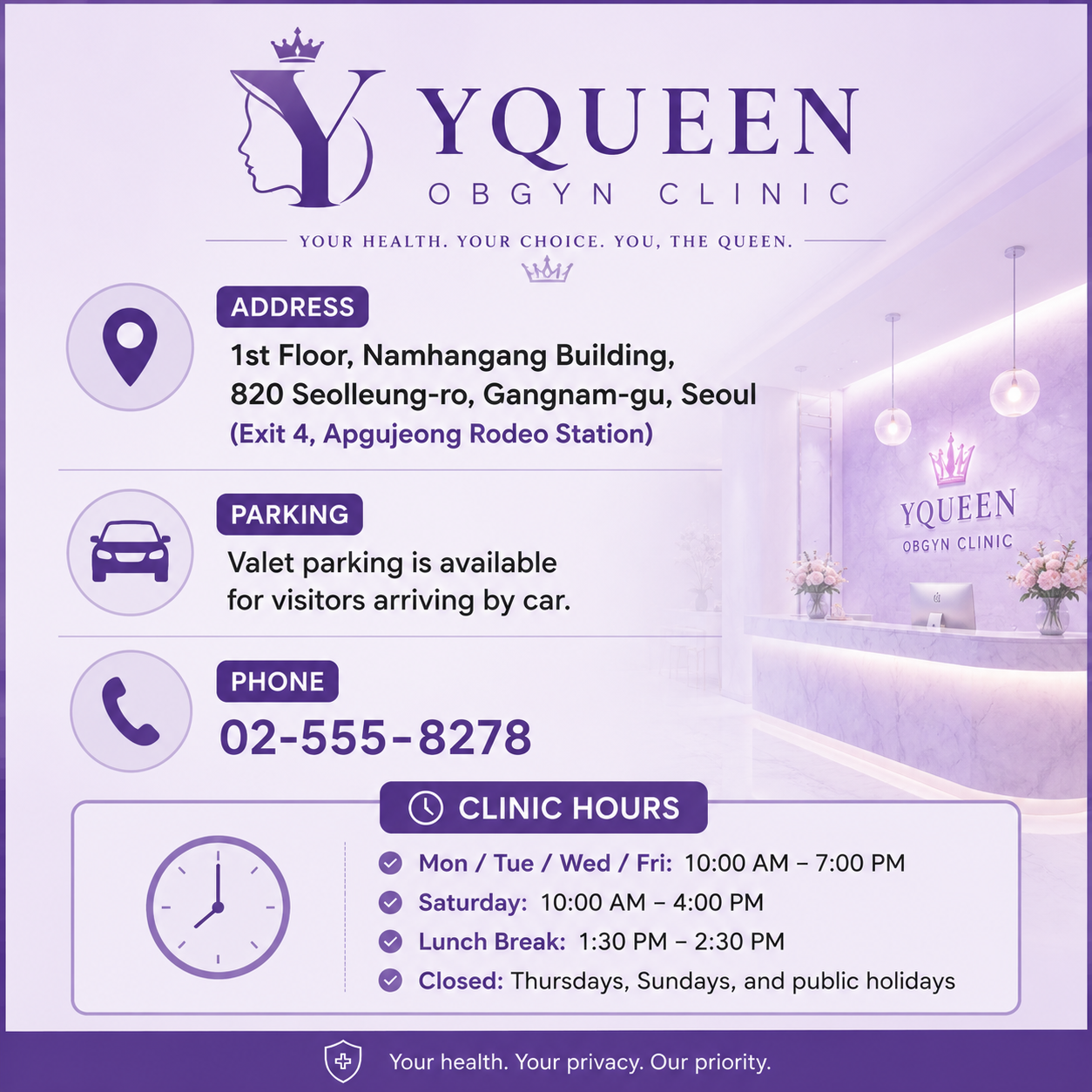
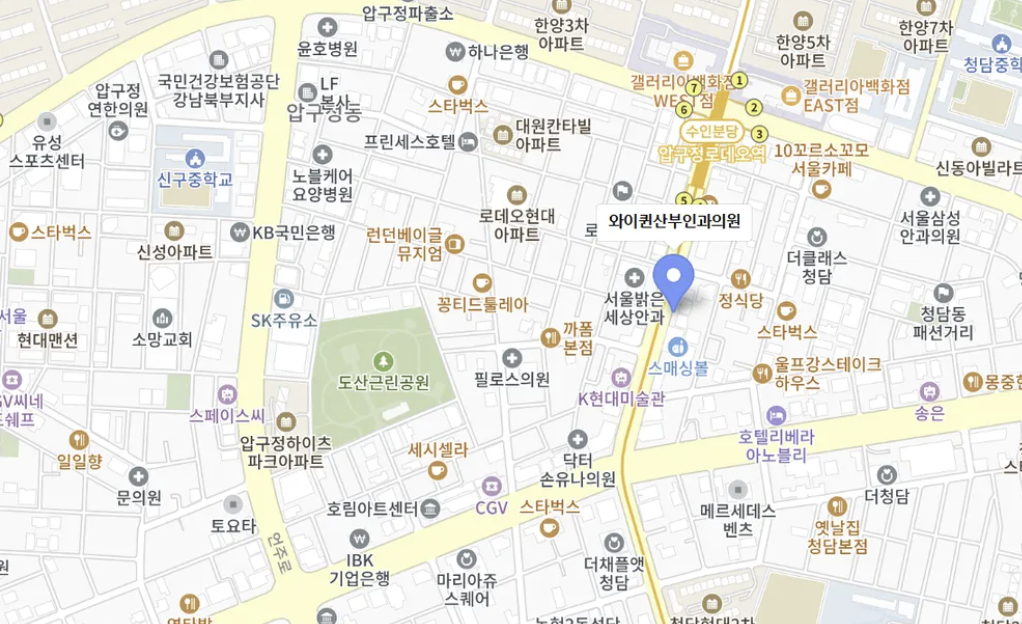
Y Queen Women's Clinic is located in Gangnam, Seoul, with convenient access near Apgujeong Rodeo Station.
The clinic is accessible for international patients living, working, studying, or staying in Gangnam, Cheongdam, Sinsa, Itaewon, Myeongdong, and other central Seoul neighborhoods.
Frequently Asked Questions
What is LEEP surgery?
LEEP, or Loop Electrosurgical Excision Procedure, uses a thin electrified wire loop to remove abnormal or precancerous tissue from the cervix.
Why would I need LEEP?
LEEP may be recommended when colposcopy and cervical biopsy identify significant precancerous changes such as selected cases of CIN 2, CIN 3, or other high-grade abnormalities.
Does an abnormal Pap smear mean I need LEEP?
No. An abnormal Pap result may lead to repeat testing, HPV testing, colposcopy, or biopsy. LEEP is recommended only when the overall findings indicate that excisional treatment is appropriate.
Does a positive HPV test mean I need LEEP?
No. Many HPV infections clear naturally. LEEP is generally used to treat confirmed cervical abnormalities rather than HPV infection alone.
Can foreigners get a LEEP consultation in Seoul?
Yes. Y Queen Women's Clinic welcomes international patients and provides English-speaking assistance for cervical screening, abnormal Pap results, HPV concerns, and LEEP consultations.
Is LEEP the same as colposcopy?
No. Colposcopy is used to closely examine the cervix and obtain biopsies when necessary. LEEP removes abnormal cervical tissue for treatment and pathological examination.
Does LEEP cure HPV?
LEEP removes abnormal cervical tissue but does not directly eliminate HPV infection. Continued cervical screening is important after treatment.
Can I become pregnant after LEEP?
Yes. Most women can become pregnant after LEEP. However, deeper or repeated cervical excisions can increase certain pregnancy-related risks, so future pregnancy plans should be discussed before treatment.
Can abnormal cells return after LEEP?
Yes. Cervical abnormalities can recur, particularly if high-risk HPV persists. Follow-up HPV and cervical screening are therefore important.
How long does recovery take after LEEP?
Initial recovery is generally relatively quick, but the cervix requires additional time to heal. Your physician will advise when sexual intercourse, tampon use, strenuous exercise, and other activities can safely resume.
Does Y Queen Women's Clinic perform LEEP surgery?
Y Queen Women's Clinic can provide cervical evaluation, Pap smear and HPV testing, review of abnormal cervical results, treatment counseling, and assessment for LEEP. The appropriate treatment setting depends on the individual case; when specialized or hospital-based treatment is required, referral can be coordinated.