Pelvic Adhesion Removal in Seoul
Gangnam Y Queen Women's Clinic
Y Queen Women's Clinic provides English-speaking pelvic adhesion evaluations and adhesiolysis consultations in Gangnam, Seoul for local and international patients. Pelvic adhesions are bands of scar tissue that may develop after pelvic surgery, endometriosis, infection, or inflammation and can sometimes contribute to chronic pelvic pain, tubal problems, or infertility. Our OB-GYN specialists evaluate symptoms, previous surgery, reproductive history, and pelvic conditions using clinical assessment and pelvic ultrasound while discussing conservative treatment, fertility care, and laparoscopic adhesion removal when appropriate. Because adhesions can recur after surgery, treatment is individualized according to symptoms, anatomy, fertility goals, and expected benefits. When hospital-based laparoscopic adhesiolysis is required, referral to an appropriate gynecologic surgeon or medical center can be coordinated.
What Are Pelvic Adhesions?
Pelvic adhesions are bands of fibrous scar tissue that cause tissues or organs that would normally remain separate to become attached to each other.
Adhesions may involve structures such as the:
- Uterus
- Ovaries
- Fallopian tubes
- Pelvic sidewall
- Bladder
- Bowel
- Other abdominal or pelvic tissues
Adhesions can range from thin, delicate bands to dense scar tissue involving multiple organs.
What Causes Pelvic Adhesions?
Pelvic adhesions may develop after tissue injury, inflammation, infection, or surgery.
Common causes include:
- Previous pelvic surgery
- Previous abdominal surgery
- Endometriosis
- Pelvic inflammatory disease (PID)
- Previous pelvic infection
- Previous cesarean section
- Myomectomy
- Ovarian surgery
- Previous appendicitis or abdominal inflammation
- Other inflammatory conditions
Having previous surgery does not necessarily mean that symptomatic adhesions will develop.
What Are the Symptoms of Pelvic Adhesions?
Many pelvic adhesions cause no symptoms.
When symptoms occur, they may include:
- Chronic pelvic pain
- Lower abdominal pain
- Pain during sexual intercourse
- Fertility difficulties
- Pain associated with certain movements
- Bowel-related discomfort in selected cases
- Symptoms related to endometriosis
- Reproductive problems caused by distorted pelvic anatomy
These symptoms can also be caused by many other gynecological, gastrointestinal, urinary, or musculoskeletal conditions.
A comprehensive evaluation is therefore important.
Pelvic Adhesions and Chronic Pelvic Pain
Pelvic adhesions are sometimes found in patients with chronic pelvic pain, but determining whether an adhesion is actually causing the pain can be difficult.
Other possible causes of chronic pelvic pain include:
- Endometriosis
- Adenomyosis
- Uterine fibroids
- Ovarian cysts
- Pelvic infection
- Bladder conditions
- Gastrointestinal conditions
- Pelvic floor disorders
- Musculoskeletal problems
For this reason, adhesion removal is not automatically recommended simply because adhesions are suspected.
Pelvic Adhesions and Infertility
Pelvic adhesions can contribute to infertility when they interfere with normal reproductive anatomy.
For example, adhesions may:
- Surround the ovaries
- Restrict movement of the fallopian tubes
- Distort the relationship between the ovary and fallopian tube
- Block or damage the fallopian tubes
- Interfere with egg pickup by the fimbriae
The effect on fertility depends on the location and severity of the adhesions.
How Are Pelvic Adhesions Diagnosed?
Pelvic adhesions can be difficult to diagnose using routine imaging alone.
Your evaluation may include:
- Detailed medical history
- Previous surgical history
- Pelvic examination
- Pelvic or transvaginal ultrasound
- Evaluation for endometriosis
- Fertility assessment when appropriate
- Hysterosalpingography (HSG) for selected fertility patients
- MRI in selected circumstances
- Review of previous operative reports
In some cases, laparoscopy provides the most direct assessment of pelvic adhesions.
What Is Pelvic Adhesion Removal?
Surgical removal or separation of adhesions is called adhesiolysis.
During adhesiolysis, a surgeon carefully separates abnormal scar tissue to restore more normal pelvic anatomy.
Potential goals may include:
- Freeing an ovary from surrounding scar tissue
- Releasing a fallopian tube
- Restoring pelvic anatomy
- Treating adhesions associated with endometriosis
- Addressing selected cases of adhesion-related pain
- Improving reproductive anatomy in appropriately selected fertility patients
The expected benefit depends heavily on the cause, extent, and location of the adhesions.
Laparoscopic Adhesiolysis
Pelvic adhesions are often treated laparoscopically when surgery is appropriate.
During laparoscopic adhesiolysis:
- Small incisions are made in the abdomen.
- A laparoscope with a camera is inserted.
- The surgeon examines the pelvic organs.
- Adhesions are identified.
- Scar tissue is carefully divided or removed.
- The uterus, ovaries, fallopian tubes, bowel, or other structures are freed when medically appropriate.
The complexity of surgery varies considerably depending on the extent of the adhesions and which organs are involved.
When Is Pelvic Adhesion Removal Considered?
Adhesiolysis may be considered when:
- Adhesions significantly distort pelvic anatomy
- Tubal or ovarian adhesions contribute to infertility
- Adhesions are associated with another condition requiring surgery
- Endometriosis surgery requires separation of adhesions
- There is a reasonable clinical basis to believe adhesions are causing significant symptoms
- Adhesions interfere with access during another necessary pelvic procedure
Surgery is not appropriate for every patient with suspected adhesions.
Can Pelvic Adhesions Return After Surgery?
Yes.
One important consideration with adhesiolysis is that surgery itself can lead to the formation of new scar tissue.
After adhesions are removed:
- Some patients may develop new adhesions
- Previously treated adhesions may reform
- Additional surgery may increase adhesion risk
Surgeons may use careful minimally invasive techniques and, in selected cases, adhesion-reduction materials to try to reduce postoperative adhesion formation.
However, recurrence cannot always be prevented.
Pelvic Adhesions and Endometriosis
Endometriosis can cause significant inflammation and scar tissue within the pelvis.
Endometriosis-related adhesions may involve:
- Ovaries
- Fallopian tubes
- Uterus
- Bowel
- Pelvic sidewall
- Other surrounding tissues
In more advanced endometriosis, adhesions can significantly alter normal pelvic anatomy.
Treatment planning depends on symptoms, fertility goals, disease severity, previous surgery, and other clinical factors.
What Happens During Your Consultation?
Your appointment may include:
- Detailed medical history
- Review of previous pelvic or abdominal surgery
- Menstrual history
- Pelvic pain assessment
- Endometriosis symptom assessment
- Fertility history
- Pelvic examination when appropriate
- Pelvic ultrasound
- Review of previous imaging
- Review of previous operative reports
- Discussion of conservative and surgical options
- Referral for laparoscopic evaluation when appropriate
The goal is to determine whether adhesions are likely to explain your symptoms and whether surgery is likely to provide meaningful benefit.
Pelvic Adhesion Removal and Fertility
For selected patients with tubal or ovarian adhesions, surgery may improve reproductive anatomy.
However, pregnancy outcomes depend on many factors, including:
- Age
- Ovarian reserve
- Severity of adhesions
- Fallopian tube function
- Endometriosis
- Previous pelvic surgery
- Other fertility conditions
- Partner fertility factors
In some cases, assisted reproductive treatment such as IVF may be more appropriate than extensive pelvic surgery.
Adhesiolysis vs. IVF
For women with pelvic adhesions and infertility, treatment may involve surgery, assisted reproduction, or both.
Adhesiolysis
Attempts to restore normal pelvic anatomy and may allow natural conception in appropriately selected patients.
IVF
Bypasses many tubal factors by fertilizing eggs outside the body and transferring an embryo into the uterus.
The most appropriate approach depends on the severity of adhesions, tubal function, age, ovarian reserve, and overall fertility evaluation.
Risks and Possible Complications
As with any surgery, pelvic adhesiolysis has potential risks.
These may include:
- Bleeding
- Infection
- Anesthesia-related complications
- Injury to the bowel
- Injury to the bladder or urinary tract
- Injury to blood vessels
- Damage to reproductive organs
- Formation of new adhesions
- Recurrence of adhesions
- Need for additional surgery
Dense adhesions involving the bowel, bladder, or other organs can make surgery more complex.
Your surgeon will discuss your individual risks before treatment.
Recovery After Pelvic Adhesion Removal
Recovery depends on:
- The extent of the adhesions
- The organs involved
- The surgical approach
- Whether other procedures are performed simultaneously
- Your overall health
After laparoscopic surgery, patients may experience:
- Abdominal or pelvic discomfort
- Temporary bloating
- Fatigue
- Incision discomfort
- Mild vaginal spotting in some cases
Your surgeon will provide individualized instructions regarding work, exercise, lifting, sexual activity, and follow-up care.
When Should I Seek Urgent Medical Attention?
Seek prompt medical care if you develop:
- Sudden severe pelvic or abdominal pain
- Persistent vomiting
- Significant abdominal swelling
- Fever with worsening pelvic pain
- Fainting or severe dizziness
- Heavy vaginal bleeding
- Inability to pass stool or gas accompanied by significant abdominal symptoms
These symptoms may indicate a condition requiring urgent medical assessment.
How Should I Prepare for a Consultation?
Before your appointment:
- Bring records from previous pelvic or abdominal surgeries
- Bring previous ultrasound or MRI results
- Bring fertility testing results if applicable
- Track your pelvic pain and menstrual symptoms
- List your medications and supplements
- Tell your doctor about previous pelvic infections
- Consider your future pregnancy goals
Previous operative reports can be particularly useful when evaluating suspected postoperative adhesions.
Pelvic Adhesion Removal Consultation Cost in Seoul
At Y Queen Women's Clinic:
- Consultation fees vary depending on the evaluation required.
- Additional costs may apply for pelvic ultrasound, laboratory testing, fertility evaluation, or additional imaging.
- If laparoscopic adhesiolysis is recommended, hospital and surgical costs depend on the complexity of surgery, anesthesia, hospitalization, and treating facility.
Treatment options and expected costs can be discussed before surgical referral.
Why Choose Y Queen Women's Clinic?
International patients choose Y Queen because of its:
- English-speaking medical support
- Experienced OB-GYN specialists
- Comprehensive pelvic evaluation
- Pelvic ultrasound available
- Chronic pelvic pain assessment
- Endometriosis evaluation
- Fertility-focused counseling
- Evaluation of previous pelvic surgery
- Personalized treatment planning
- Comfortable, private consultation rooms
- Convenient Gangnam location
- Foreigner-friendly appointment process
- Surgical referral coordination when required
We provide individualized gynecological care focused on identifying possible causes of pelvic pain or fertility problems and determining whether conservative treatment, fertility care, or surgical evaluation is appropriate.
Convenient Location in Gangnam
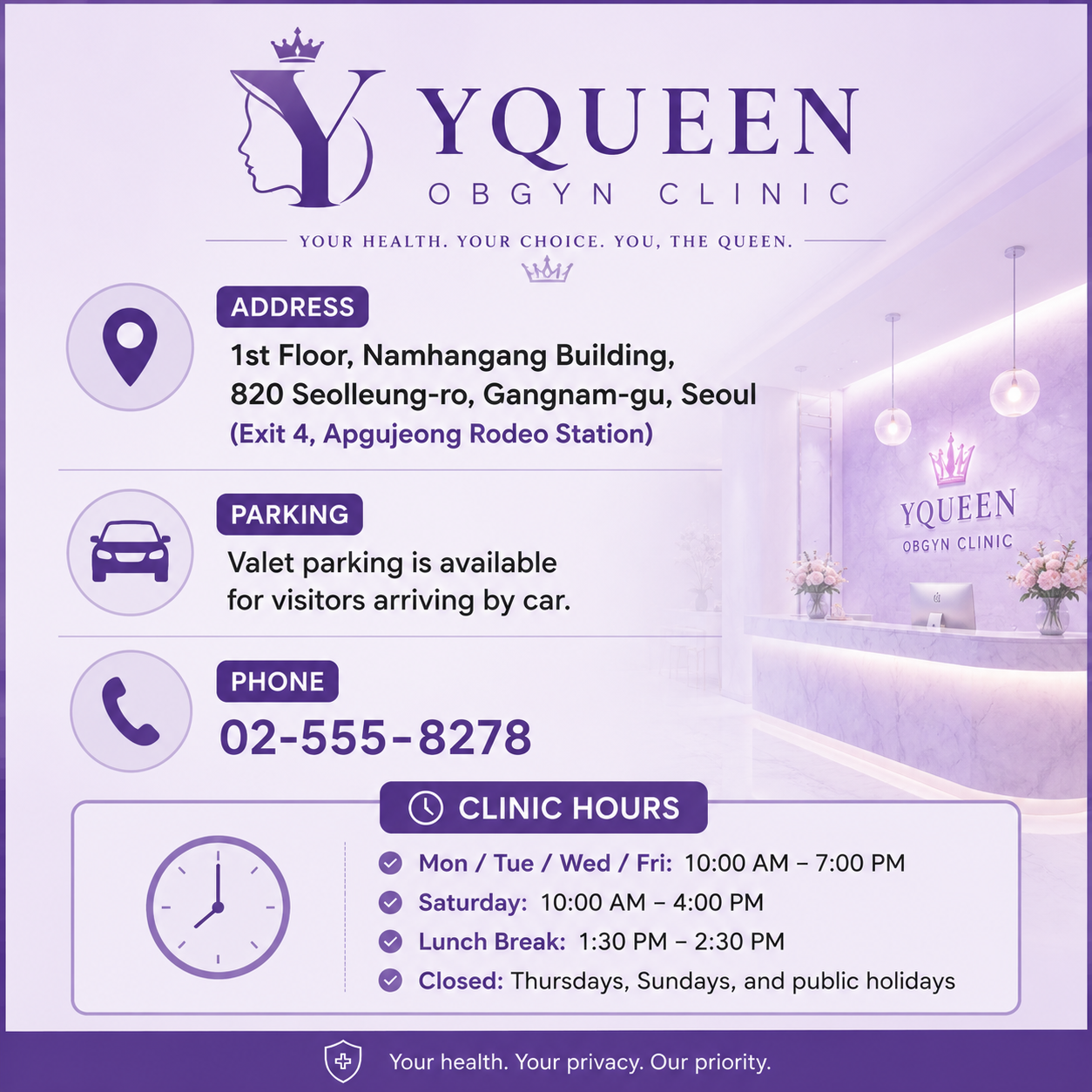
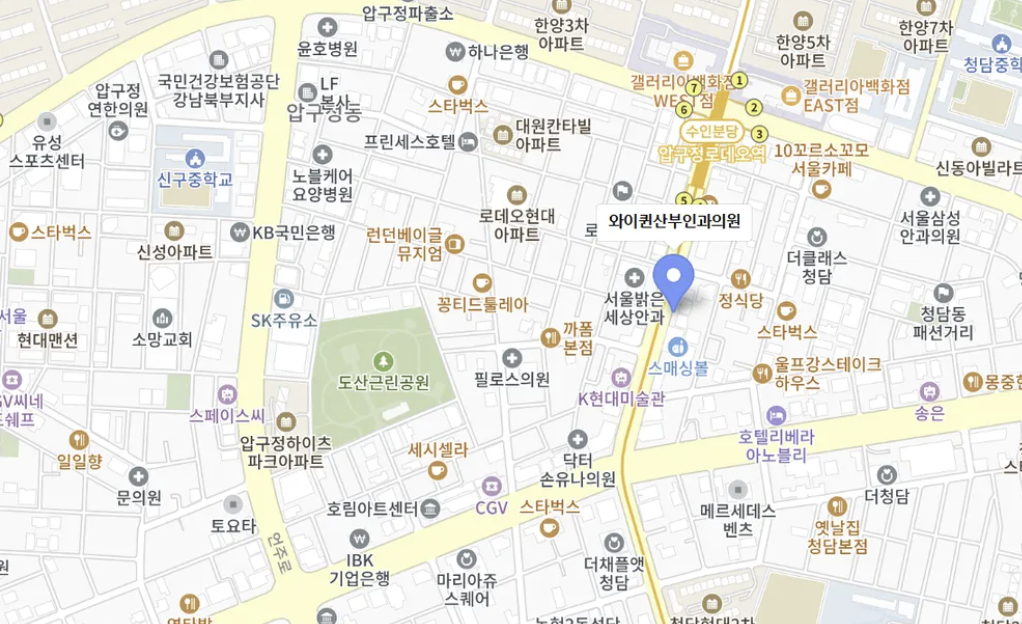
Y Queen Women's Clinic is located in Gangnam, Seoul, with convenient access near Apgujeong Rodeo Station.
The clinic is accessible for international patients living, working, studying, or staying in Gangnam, Cheongdam, Sinsa, Itaewon, Myeongdong, and other central Seoul neighborhoods.
Frequently Asked Questions
What are pelvic adhesions?
Pelvic adhesions are bands of scar tissue that cause organs or tissues within the pelvis to become abnormally attached to one another.
What is pelvic adhesion removal called?
Surgical separation or removal of adhesions is called adhesiolysis. Pelvic adhesiolysis can often be performed laparoscopically when surgery is appropriate.
What causes pelvic adhesions?
Common causes include previous abdominal or pelvic surgery, endometriosis, pelvic inflammatory disease, infection, and other inflammatory conditions.
Can pelvic adhesions cause pain?
They may contribute to chronic pelvic pain in some patients, although pelvic pain has many possible causes and the presence of adhesions does not necessarily mean they are responsible for the symptoms.
Can pelvic adhesions cause infertility?
Yes. Adhesions involving the ovaries or fallopian tubes can distort reproductive anatomy and may contribute to infertility.
Can foreigners get pelvic adhesion treatment in Seoul?
Yes. Y Queen Women's Clinic welcomes international patients and provides English-speaking gynecological consultations for pelvic pain, endometriosis, fertility concerns, and suspected pelvic adhesions.
Can an ultrasound detect pelvic adhesions?
Routine ultrasound does not reliably show all pelvic adhesions. Ultrasound can help identify other gynecological conditions, while laparoscopy may sometimes be required for direct assessment.
Can pelvic adhesions return after removal?
Yes. Adhesions can recur, and surgery itself can cause new scar tissue to develop. This is an important consideration when deciding whether adhesiolysis is appropriate.
Is adhesion removal always recommended for chronic pelvic pain?
No. Because pelvic pain has many possible causes and adhesions can recur after surgery, adhesiolysis is recommended only in selected patients after appropriate evaluation.
Does Y Queen Women's Clinic perform pelvic adhesion removal surgery?
Y Queen Women's Clinic can provide gynecological evaluation, pelvic ultrasound, endometriosis assessment, fertility counseling, and treatment planning for suspected pelvic adhesions. When hospital-based laparoscopic adhesiolysis is required, referral to an appropriate gynecologic surgeon or medical center can be coordinated.