Post-Abortion Care in Seoul
Gangnam Y Queen Women's Clinic
Y Queen Women's Clinic provides confidential, English-speaking post-abortion care in Gangnam, Seoul for local and international patients. Post-abortion care may include evaluation of bleeding and pelvic pain, assessment for incomplete abortion or infection, pelvic ultrasound when clinically indicated, pregnancy testing, menstrual recovery counseling, contraception, and future reproductive health planning. Some bleeding and cramping can occur during normal recovery, but very heavy bleeding, severe or worsening pain, fever, foul-smelling discharge, or fainting require prompt medical evaluation. Fertility can return before the first menstrual period, so patients who want to avoid another pregnancy can also discuss contraceptive options during follow-up. Comprehensive post-abortion care is recognized by WHO as an important component of abortion healthcare.
What Is Post-Abortion Care?
Post-abortion care refers to medical care and support provided after an abortion.
Depending on your circumstances, it may include:
- Recovery assessment
- Evaluation of vaginal bleeding
- Pelvic pain assessment
- Ultrasound when indicated
- Evaluation for incomplete abortion
- Infection assessment
- Pregnancy testing when appropriate
- Menstrual cycle counseling
- Contraception counseling
- STI testing when appropriate
- Future fertility counseling
- Emotional support and referral when desired
The World Health Organization considers post-abortion care part of comprehensive abortion care.
Do I Need a Checkup After an Abortion?
Whether routine in-person follow-up is necessary depends on the type of abortion, your symptoms, and the instructions provided by the treating clinician.
A post-abortion appointment may be particularly useful if you:
- Continue to have significant pain
- Have unexpectedly heavy or prolonged bleeding
- Have fever or chills
- Have unusual or foul-smelling discharge
- Continue to experience pregnancy symptoms
- Are uncertain whether the abortion was complete
- Want contraception
- Have concerns about your menstrual cycle
- Did not receive follow-up instructions
- Had treatment outside Korea and need follow-up in Seoul
Your doctor can determine whether examination, ultrasound, laboratory testing, or additional treatment is necessary.
What Is Normal After an Abortion?
Recovery varies between patients and according to whether the abortion was medication-based or procedural.
Common temporary symptoms can include:
- Vaginal bleeding or spotting
- Menstrual-like cramping
- Abdominal discomfort
- Fatigue
- Nausea
- Headache
- Dizziness
- Temporary breast tenderness
- Changes in mood or emotions
ACOG notes that abdominal cramping and vaginal bleeding are among the possible effects following abortion.
Your treating clinician's specific aftercare instructions should take priority because expected symptoms depend on the treatment you received.
Bleeding After an Abortion
Vaginal bleeding is common following both medication and procedural abortion.
The pattern can vary considerably. Some patients experience heavier bleeding initially followed by spotting, while others have lighter bleeding.
You should seek medical advice if bleeding becomes unusually heavy, suddenly increases, or is accompanied by significant pain, dizziness, fainting, fever, or other concerning symptoms.
ACOG advises contacting a healthcare professional for heavy bleeding such as soaking through two maxi pads per hour for two consecutive hours.
Cramping and Pelvic Pain After an Abortion
Some pelvic or abdominal cramping is expected during recovery.
Pain should generally become more manageable as recovery progresses.
Medical evaluation is important for:
- Severe pelvic or abdominal pain
- Pain that continues to worsen
- Pain not improving with recommended medication
- Significant one-sided pain
- Pain accompanied by fever
- Pain associated with fainting or severe dizziness
These symptoms may require evaluation for complications or another medical condition.
When Should I Seek Urgent Medical Care?
Seek prompt medical attention if you experience:
- Very heavy vaginal bleeding
- Severe or worsening abdominal or pelvic pain
- Fainting
- Significant dizziness or weakness
- Fever or chills
- Foul-smelling vaginal discharge
- Persistent flu-like symptoms
- Other rapidly worsening symptoms
ACOG specifically identifies severe pain not relieved by medication, very heavy bleeding, foul-smelling discharge, fever or chills, persistent flu-like symptoms, and fainting as reasons to contact a healthcare professional after abortion.
What Is an Incomplete Abortion?
An incomplete abortion means some pregnancy-related tissue remains in the uterus after treatment.
Possible symptoms can include:
- Persistent or heavy bleeding
- Continuing pelvic pain
- Persistent pregnancy symptoms
- Prolonged spotting
- Other abnormal recovery symptoms
However, symptoms alone cannot reliably confirm an incomplete abortion.
Evaluation may include:
- Medical history
- Pelvic examination
- Ultrasound
- Pregnancy hormone testing in selected cases
Additional medication or a procedure may sometimes be necessary if retained tissue is confirmed. ACOG notes that incomplete abortion can occasionally require further medication or a follow-up procedure.
Ultrasound After an Abortion
An ultrasound may be recommended when there are symptoms or clinical concerns about recovery.
It can help evaluate:
- The uterus
- Possible retained pregnancy tissue
- Persistent bleeding
- Pelvic pain
- Other gynecological conditions
Not every patient automatically needs an ultrasound after an uncomplicated abortion. Your physician can determine whether imaging is useful based on your symptoms and treatment history.
Infection After an Abortion
Infection is an uncommon but important potential complication.
Possible warning signs include:
- Fever
- Chills
- Increasing pelvic pain
- Foul-smelling vaginal discharge
- Feeling significantly unwell
If infection is suspected, prompt medical evaluation is important.
Treatment may include antibiotics and additional management depending on the cause and whether retained tissue or another complication is present.
Pregnancy Symptoms After an Abortion
Pregnancy-related symptoms do not always disappear immediately.
Symptoms such as:
- Nausea
- Breast tenderness
- Fatigue
- Bloating
may gradually improve as pregnancy hormone levels fall.
If pregnancy symptoms persist or remain concerning, your doctor may recommend examination, ultrasound, or pregnancy hormone testing.
Pregnancy Tests After an Abortion
Pregnancy hormones can remain detectable for a period after an abortion.
Therefore, a home pregnancy test may remain positive even when the pregnancy has successfully ended.
If confirmation is necessary, your physician may recommend:
- Follow-up pregnancy testing
- Quantitative hCG blood testing
- Ultrasound
- Clinical assessment
The appropriate method depends on the type and timing of the abortion and your symptoms.
When Will My Period Return?
The menstrual cycle generally resumes after abortion, although the exact timing varies between patients.
Your first period may temporarily be:
- Heavier than usual
- Lighter than usual
- More painful
- Less painful
- Slightly different in timing
If menstruation does not return as expected, pregnancy symptoms persist, or you have had unprotected intercourse after the abortion, consult your OB-GYN.
Can I Get Pregnant Again Soon After an Abortion?
Yes.
Ovulation can return before the first menstrual period, meaning pregnancy can occur again relatively soon after an abortion.
If you do not currently want to become pregnant, contraception can be discussed as part of post-abortion care. WHO's abortion-care guidance includes post-abortion contraception as part of comprehensive care.
Birth Control After an Abortion
Post-abortion care is an opportunity to discuss contraception based on your preferences and reproductive goals.
Options may include:
- Birth control pills
- Contraceptive patch
- Vaginal ring
- Injectable contraception
- Contraceptive implant
- Hormonal IUD
- Copper IUD
- Condoms
The appropriate timing for starting a particular contraceptive method depends on the method, type of abortion, medical history, and individual circumstances.
Your OB-GYN can help you choose an option that fits your health needs and pregnancy plans.
Can I Use an IUD After an Abortion?
An IUD may be an appropriate contraceptive option after abortion for many patients.
The timing of insertion depends on factors such as:
- Type of abortion
- Confirmation that the abortion is complete
- Presence of infection
- Individual medical circumstances
Your physician can determine whether immediate or later insertion is appropriate.
When Can I Have Sex After an Abortion?
Advice about resuming sexual intercourse should be individualized according to:
- Type of abortion
- Bleeding
- Pain
- Presence of infection or complications
- Your treating clinician's instructions
If you do not want another pregnancy, remember that fertility can return before your next period.
Can I Exercise After an Abortion?
Many patients can gradually return to normal daily activities as they feel able after an uncomplicated abortion. ACOG notes that, in most cases, returning to normal activities relatively soon is safe unless the healthcare professional recommends specific restrictions.
If activity increases bleeding, pain, dizziness, or other symptoms, contact your healthcare provider.
Emotional Recovery After an Abortion
Emotional experiences after abortion vary widely.
Some people feel:
- Relief
- Sadness
- A mixture of emotions
- Stress
- Grief
- Little emotional change
There is no single emotional response that everyone should expect.
Patients who want additional support can discuss counseling or mental health resources with their healthcare provider.
Post-Abortion Care After Treatment Outside Korea
International patients sometimes arrive in Seoul after receiving abortion care in another country or at another medical facility.
If you need follow-up, it is helpful to bring:
- Date of treatment
- Estimated gestational age
- Type of abortion
- Names of medications taken
- Procedure records if available
- Ultrasound reports
- Laboratory results
- Information about current symptoms
Even if complete records are unavailable, a gynecological evaluation can still help determine whether additional care is needed.
What Happens During Your Post-Abortion Appointment?
Your appointment may include:
- Confidential medical history
- Review of the abortion method and timing
- Assessment of bleeding
- Pelvic pain evaluation
- Review of pregnancy symptoms
- Pelvic examination when indicated
- Ultrasound when clinically appropriate
- Pregnancy or laboratory testing when necessary
- Infection assessment
- Contraception counseling
- Menstrual cycle counseling
- Follow-up planning
The exact evaluation depends on your symptoms and medical history.
Does Abortion Affect Future Fertility?
An uncomplicated abortion generally does not mean that a patient will have difficulty becoming pregnant in the future.
Fertility concerns are more relevant when significant complications occur, such as serious infection or uterine injury.
If you are planning a future pregnancy or already have fertility concerns, these can be discussed during your post-abortion consultation.
Post-Abortion Care Cost in Seoul
At Y Queen Women's Clinic:
- Consultation fees depend on the evaluation required.
- Additional costs may apply for pelvic ultrasound, pregnancy testing, laboratory tests, STI testing, medication, or other treatment.
- If additional treatment is required for a complication, costs depend on the procedure and clinical setting.
An individualized treatment plan and expected costs can be discussed after evaluation.
Why Choose Y Queen Women's Clinic?
International patients choose Y Queen because of its:
- English-speaking medical support
- Confidential OB-GYN consultations
- Post-abortion recovery assessment
- Pelvic ultrasound when clinically indicated
- Evaluation of bleeding and pelvic pain
- Assessment for incomplete abortion
- Infection evaluation
- Pregnancy testing
- Contraception counseling
- STI testing when appropriate
- Future fertility counseling
- Private consultation environment
- Convenient Gangnam location
- Foreigner-friendly appointment process
The goal of post-abortion care is to support safe physical recovery while providing individualized reproductive healthcare without unnecessary testing or treatment.
Convenient Location in Gangnam
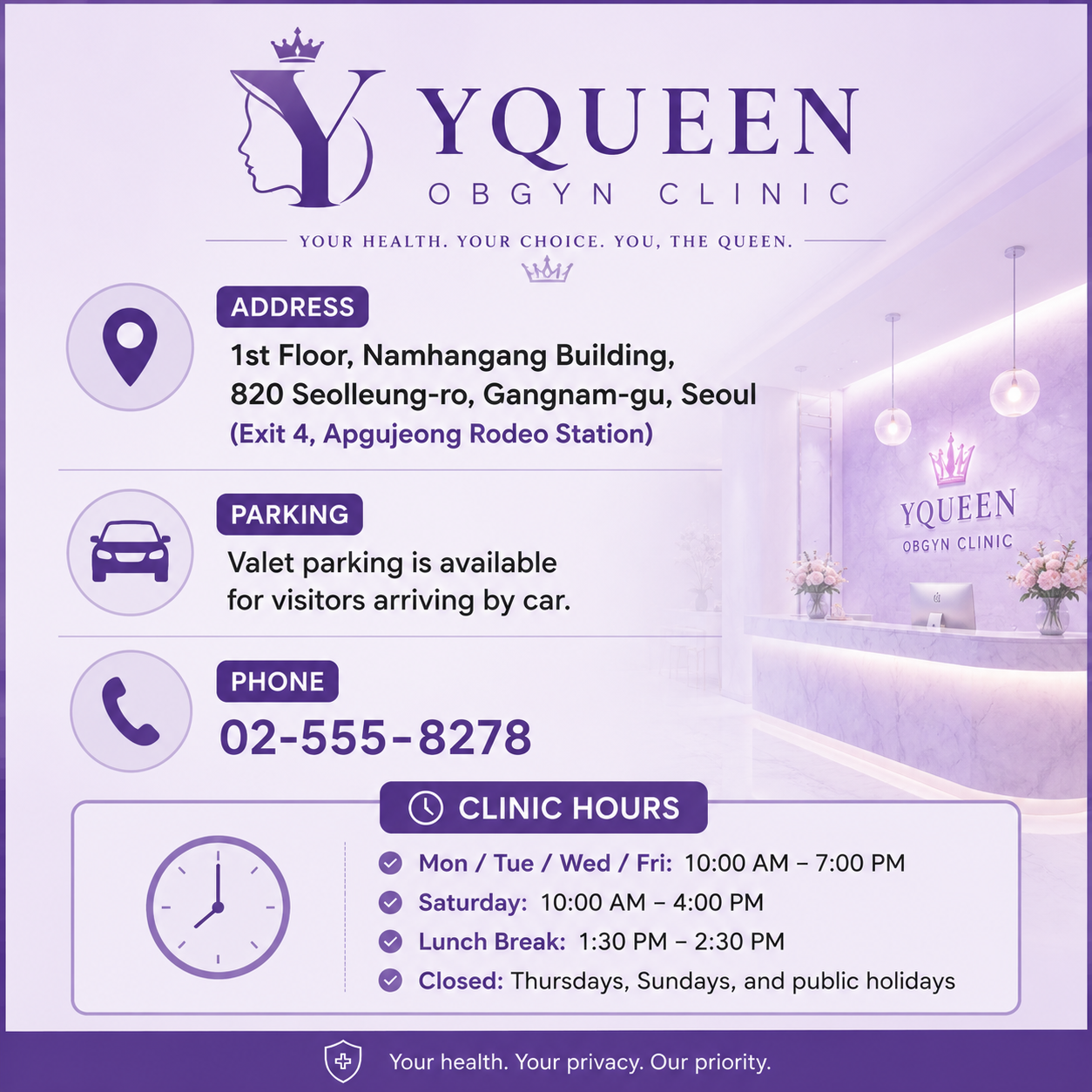
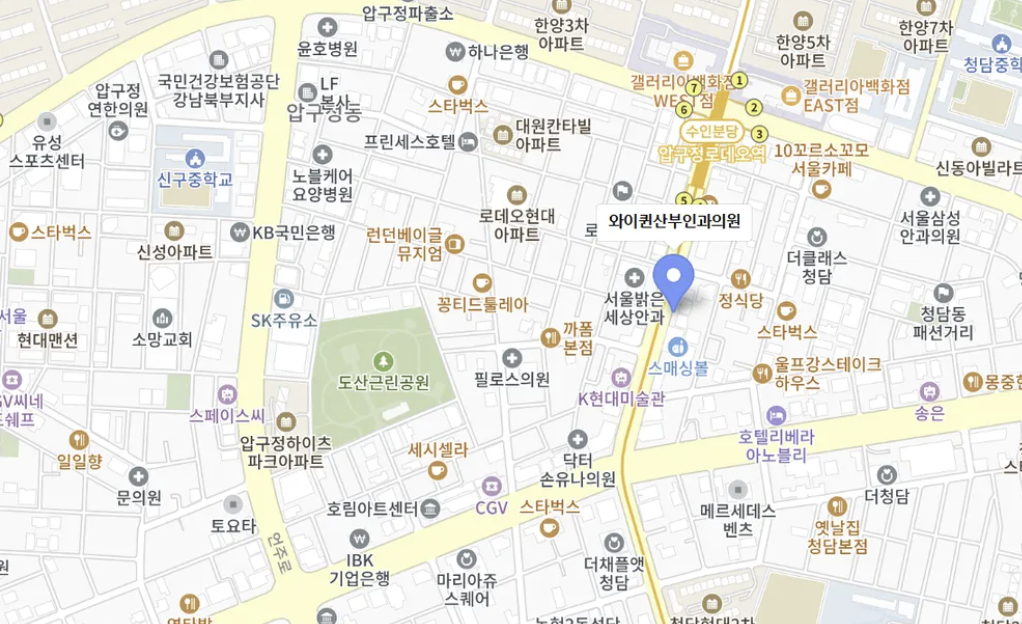
Y Queen Women's Clinic is located at 820 Seolleung-ro in Gangnam District, Seoul.
Its Gangnam location provides convenient access for international patients living, working, studying, or staying in areas such as Gangnam, Cheongdam, Sinsa, and other central Seoul neighborhoods.
Frequently Asked Questions
What is post-abortion care?
Post-abortion care is medical care provided after an abortion to assess recovery, address complications when present, and provide contraception and other reproductive healthcare when desired.
Can foreigners get post-abortion care in Seoul?
Yes. Y Queen Women's Clinic provides gynecological care in Gangnam and can evaluate international patients seeking follow-up for bleeding, pain, recovery concerns, contraception, and other post-abortion health needs.
Is bleeding normal after an abortion?
Some vaginal bleeding or spotting is expected. The pattern varies depending on the abortion method and individual recovery. Very heavy bleeding requires medical attention.
How much bleeding is too much?
ACOG recommends contacting a healthcare professional for heavy bleeding such as soaking through two maxi pads per hour for two consecutive hours. Fainting, severe dizziness, or severe pain are also concerning symptoms.
Do I need an ultrasound after an abortion?
Not necessarily. Ultrasound may be recommended when there is persistent bleeding, significant pain, continuing pregnancy symptoms, uncertainty about completion, or another clinical concern.
How do I know whether the abortion was complete?
Your doctor may assess symptoms and, when necessary, use ultrasound or pregnancy hormone testing. Persistent pregnancy symptoms, abnormal bleeding, or significant pain should be evaluated.
Can I still have a positive pregnancy test after an abortion?
Yes. Pregnancy hormone levels do not disappear immediately, so a test can remain positive for a period after treatment. Your doctor can recommend appropriate follow-up if confirmation is needed.
When will my period return?
Menstruation generally resumes after abortion, but timing varies. Your first period may also differ somewhat from your usual cycle.
Can I become pregnant before my first period?
Yes. Ovulation can occur before menstruation returns, so another pregnancy is possible before your first post-abortion period.
Can I start birth control after an abortion?
Many contraceptive methods can be started around the time of abortion or soon afterward, depending on the method and individual circumstances. Your OB-GYN can advise on appropriate timing.
When should I seek urgent care after an abortion?
Seek prompt medical attention for very heavy bleeding, severe or worsening abdominal or pelvic pain, fainting, fever or chills, foul-smelling discharge, or other rapidly worsening symptoms.
Does Y Queen Women's Clinic provide post-abortion care?
Y Queen Women's Clinic can provide confidential gynecological evaluation for patients seeking post-abortion follow-up, including assessment of bleeding and pelvic pain, ultrasound when indicated, infection evaluation, contraception counseling, and additional treatment planning based on individual findings.