Genital Bleaching in Seoul
Gangnam Y Queen Women's Clinic
Y Queen Women's Clinic provides English-speaking consultations in Gangnam, Seoul for patients concerned about genital, vulvar, and intimate-area pigmentation. Genital bleaching, also called intimate lightening, is a cosmetic term for treatments intended to reduce the appearance of darker pigmentation on selected external intimate skin. Darker genital skin is usually a normal anatomical variation and can be influenced by genetics, hormones, pregnancy, aging, friction, shaving, waxing, and previous inflammation. Treatment options may include carefully selected topical, chemical, laser, or other pigmentation therapies depending on the area and skin type. Because overly aggressive treatment can cause burns, irritation, scarring, hyperpigmentation, or hypopigmentation, professional assessment and conservative treatment planning are important. Y Queen Women's Clinic offers confidential, foreigner-friendly consultations focused on healthy skin, realistic outcomes, and individualized treatment planning.
What Is Genital Bleaching?
Genital bleaching is a cosmetic term for treatments designed to lighten selected areas of darker external genital or surrounding skin.
Depending on the patient's anatomy and treatment plan, areas of concern may include:
- External vulvar skin
- Labia majora
- Bikini line
- Groin folds
- Inner thighs
- Perineal skin
- Other nearby external areas
Treatment should only be performed on anatomical areas appropriate for the specific product or technology being used.
Products intended for ordinary skin should not automatically be applied to sensitive vulvar or vaginal tissue.
Is Genital Bleaching the Same as Vaginal Bleaching?
The terms are sometimes used interchangeably online, but they can be misleading.
The vagina is the internal muscular canal.
The vulva refers to external genital structures.
Most cosmetic pigmentation treatments described as "vaginal bleaching" actually target external skin rather than the internal vaginal canal.
Treatment should not involve placing inappropriate bleaching agents inside the vagina.
Why Is My Intimate Area Darker?
Genital skin is naturally often darker than surrounding skin.
Possible contributors include:
- Genetics
- Normal hormonal development
- Puberty
- Pregnancy
- Aging
- Hormonal changes
- Friction
- Tight clothing
- Hair removal
- Shaving
- Waxing
- Previous inflammation
- Skin irritation
- Post-inflammatory hyperpigmentation
Pigmentation alone is usually not evidence of disease.
Is Dark Vulvar Skin Normal?
Yes.
Normal vulvar color varies considerably between individuals and may range across many shades.
The labia and surrounding tissues can also become darker during puberty, pregnancy, or other periods of hormonal change.
Symmetrical pigmentation that has been present for a long time may simply represent normal anatomy.
A sudden or unusual change should be evaluated separately.
When Should Pigmentation Be Checked by a Doctor?
Consider medical evaluation if pigmentation is:
- New or rapidly changing
- Highly irregular
- Limited to a new spot or lesion
- Associated with itching
- Associated with pain
- Accompanied by bleeding
- Associated with sores or ulcers
- Accompanied by significant skin thickening
- Associated with persistent irritation
- Changing in shape or appearance
These features should be medically assessed rather than treated immediately as a cosmetic pigmentation concern.
What Causes Post-Inflammatory Hyperpigmentation?
Post-inflammatory hyperpigmentation can develop after skin irritation or inflammation.
In intimate areas, possible triggers include:
- Shaving
- Waxing
- Ingrown hairs
- Folliculitis
- Friction
- Tight clothing
- Dermatitis
- Repeated scratching
- Previous infection or inflammation
Treating the underlying irritation may be important before attempting to lighten residual pigmentation.
Intimate Pigmentation After Pregnancy
Hormonal changes during pregnancy can increase pigmentation in several areas of the body.
Changes may occur around the:
- Vulva
- Areola
- Abdomen
- Inner thighs
- Groin
Some pigmentation may gradually change after pregnancy as hormone levels stabilize.
Patients considering cosmetic treatment after childbirth should allow adequate postpartum recovery and discuss breastfeeding and hormonal status with their physician.
Intimate Pigmentation and Hormonal Changes
Hormones can influence melanin production and skin pigmentation.
Changes may occur during:
- Puberty
- Pregnancy
- Postpartum recovery
- Perimenopause
- Menopause
- Hormonal medication use
Not every hormone-related pigmentation change requires treatment.
Intimate Pigmentation From Shaving or Waxing
Repeated hair removal can irritate sensitive skin.
This may contribute to:
- Inflammation
- Ingrown hairs
- Folliculitis
- Skin sensitivity
- Post-inflammatory hyperpigmentation
Changing hair-removal practices or treating inflammation may sometimes improve the appearance without an aggressive lightening procedure.
Genital Bleaching Treatment Options
There is no single standard treatment appropriate for every patient.
Depending on the location, skin type, cause of pigmentation, and clinical assessment, options may include:
- Topical pigmentation treatments
- Professional chemical treatments
- Laser-based pigmentation procedures
- Other dermatological treatments
- Treatment of underlying inflammation
- Changes to hair-removal or friction-related habits
The sensitive nature of vulvar skin means treatments commonly used on the face or body may not always be appropriate for intimate areas.
Topical Intimate Lightening Treatments
Certain topical ingredients can affect pigmentation pathways.
However, the vulvar region is more sensitive than many other areas of skin.
Inappropriate products may cause:
- Burning
- Irritation
- Dermatitis
- Skin peeling
- Inflammation
- Increased pigmentation
- Scarring
Products should only be used on the anatomical areas for which they are considered appropriate.
Chemical Peels for Intimate Pigmentation
Selected professional chemical treatments may be used on appropriate external skin.
The purpose is generally to promote controlled exfoliation and gradual improvement in superficial pigmentation.
Treatment strength must be carefully selected because excessive chemical exposure can cause:
- Burns
- Irritation
- Inflammation
- Post-inflammatory hyperpigmentation
- Hypopigmentation
- Scarring
Chemical treatments should not be applied indiscriminately to vulvar mucosal tissue.
Laser Genital Lightening
Laser or other light-based technologies may sometimes be used for selected pigmentation concerns.
Depending on the device, treatment may target pigment within external skin.
Suitability depends on:
- Skin type
- Pigmentation pattern
- Treatment area
- Previous inflammation
- Device wavelength and settings
- History of abnormal scarring
- Individual sensitivity
Darker skin types may have an increased risk of pigment changes following inappropriate energy settings, making careful patient selection particularly important.
Does Genital Bleaching Permanently Remove Pigmentation?
No treatment should be considered guaranteed to permanently eliminate natural genital pigmentation.
Pigment can recur or change because of:
- Hormonal changes
- Pregnancy
- Aging
- Friction
- Hair removal
- Sun or environmental exposure to nearby skin
- Recurrent inflammation
- Individual melanin production
Maintenance treatment may sometimes be discussed depending on the method and response.
How Many Treatments Are Needed?
The number of treatments depends on:
- Cause of pigmentation
- Degree of pigmentation
- Treatment method
- Skin type
- Treatment area
- Individual response
- Desired degree of improvement
Some treatments require multiple sessions rather than one procedure.
Results should be assessed gradually to avoid overtreatment.
When Will I See Results?
Pigmentation generally changes gradually rather than immediately.
The timeline depends on:
- Treatment used
- Depth of pigmentation
- Skin turnover
- Individual healing
- Whether irritation continues
Patients should be cautious about treatments promising immediate or complete whitening.
What Results Can I Expect?
The realistic goal is usually a reduction in the appearance of selected pigmentation rather than making intimate skin a particular predetermined color.
Results vary.
Factors influencing outcomes include:
- Natural skin tone
- Genetics
- Hormones
- Pigmentation depth
- Previous inflammation
- Treatment method
- Skin sensitivity
- Continued friction
Complete removal of natural pigmentation cannot be guaranteed.
Does Genital Bleaching Hurt?
The experience depends on the treatment.
Some patients may experience:
- Warmth
- Tingling
- Mild stinging
- Temporary sensitivity
- Mild discomfort
More significant burning or pain can indicate excessive irritation and should be reported.
Recovery After Intimate Lightening Treatment
Recovery depends on the procedure performed.
Temporary effects may include:
- Redness
- Sensitivity
- Mild swelling
- Dryness
- Peeling
- Temporary darkening before improvement
- Mild irritation
Patients should follow procedure-specific aftercare instructions carefully.
What Should I Avoid After Treatment?
Depending on the treatment, your physician may temporarily recommend avoiding:
- Sexual activity involving the treated area
- Shaving
- Waxing
- Friction
- Tight clothing
- Hot baths
- Saunas
- Swimming
- Strong skincare products
- Scrubbing or exfoliation
Restrictions vary according to the procedure and treated area.
Can I Have Sex After Genital Bleaching?
Sexual activity may need to be temporarily avoided if the treated skin is sensitive, peeling, inflamed, or healing.
Friction during early recovery can increase irritation and potentially worsen post-inflammatory pigmentation.
Your physician can advise when sexual activity can safely resume.
Is Genital Bleaching Safe?
Safety depends heavily on:
- Treatment method
- Product ingredients
- Treatment concentration
- Device settings
- Exact anatomical area
- Skin type
- Provider experience
- Proper aftercare
Because genital skin can be sensitive, overly aggressive treatment may cause more pigmentation rather than less.
A professional assessment is particularly important before treating vulvar skin.
Risks and Possible Side Effects
Potential side effects vary according to treatment.
They may include:
- Burning
- Irritation
- Redness
- Swelling
- Dermatitis
- Skin peeling
- Pain
- Infection
- Post-inflammatory hyperpigmentation
- Hypopigmentation
- Uneven pigmentation
- Scarring
- Persistent sensitivity
- Unsatisfactory results
Some pigment changes can be difficult to reverse.
Can Genital Bleaching Make the Area Darker?
Yes.
Excessive irritation, burns, or inflammation can trigger post-inflammatory hyperpigmentation.
This means overly aggressive treatment can potentially make the treated area appear darker.
This risk is especially important for individuals who are prone to pigmentation after skin irritation.
Can Genital Bleaching Make the Skin Too Light?
Hypopigmentation is a possible complication of some pigment treatments.
It occurs when treated skin becomes lighter than intended.
The result may be:
- Patchy
- Uneven
- Noticeably different from surrounding skin
Conservative treatment is therefore generally preferable to aggressive attempts at complete depigmentation.
Can I Bleach My Genital Area at Home?
Strong acids, household bleaching products, unregulated whitening creams, and products not intended for genital skin should not be used on intimate tissues.
DIY treatments may cause:
- Chemical burns
- Severe irritation
- Infection
- Scarring
- Hyperpigmentation
- Hypopigmentation
- Persistent pain
A medical consultation is safer when pigmentation is significant enough that you are considering treatment.
Genital Bleaching vs. Anal Bleaching
These terms refer to pigmentation treatment in different anatomical areas.
Genital Bleaching
Usually refers to selected external vulvar, groin, or intimate-area skin.
Anal Bleaching
Refers to cosmetic pigmentation treatment of external perianal skin.
The skin characteristics and treatment considerations differ by location.
Genital Bleaching vs. Vaginal Rejuvenation
These treatments have different goals.
Genital Bleaching
Focuses on external pigmentation.
Vaginal Rejuvenation
Is a broad term for treatments addressing concerns such as vaginal dryness, laxity, postpartum tissue changes, or intimate wellness.
A pigmentation treatment does not tighten the vagina or treat pelvic floor dysfunction.
Genital Bleaching vs. Labiaplasty
These are completely different procedures.
Genital Bleaching
Attempts to modify the appearance of pigmentation.
Labiaplasty
Surgically reshapes labial tissue.
Lightening treatment does not change the size or shape of the labia.
Genital Bleaching and Labiaplasty
Some patients considering labiaplasty also ask about pigmentation.
These concerns should be assessed separately.
Recent surgery, swelling, scar maturation, and healing can temporarily affect skin appearance, so pigmentation treatment should not automatically be performed at the same time as surgery.
Your physician can recommend appropriate timing if both concerns are present.
Genital Bleaching After Hair Removal
Hair removal may need to be paused before or after certain pigmentation treatments.
Shaving, waxing, and other hair-removal methods can temporarily irritate the skin.
Combining significant irritation with a chemical or energy-based pigmentation treatment may increase the risk of:
- Burning
- Dermatitis
- Post-inflammatory hyperpigmentation
- Delayed healing
Follow treatment-specific instructions regarding hair removal.
Who May Consider an Intimate Pigmentation Consultation?
A consultation may be appropriate for adults concerned about:
- Persistent external intimate pigmentation
- Post-inflammatory hyperpigmentation
- Pigmentation after repeated shaving
- Pigmentation after waxing
- Friction-related darkening
- Postpartum pigmentation changes
- Uneven pigmentation
- Questions about professional lightening treatments
Treatment is elective when pigmentation represents normal anatomical variation.
Who May Not Be Suitable for Treatment?
Treatment may need to be postponed or avoided in patients with:
- Active vulvar infection
- Open wounds
- Significant dermatitis
- Active genital herpes lesions
- Unexplained sores
- Unexplained bleeding
- Suspicious pigmented lesions
- Recent intimate surgery
- Severe skin irritation
- Certain conditions affecting wound healing
- Pregnancy, depending on the treatment being considered
A medical examination may be recommended before cosmetic treatment.
What Happens During Your Consultation?
Your appointment may include:
- Confidential discussion of your concern
- Medical and gynecological history
- Review of previous pigmentation treatments
- Assessment of hair-removal practices
- Evaluation of irritation or inflammation
- External examination when appropriate
- Assessment of pigmentation pattern
- Discussion of realistic treatment goals
- Review of available treatment options
- Explanation of risks and aftercare
The goal is to determine whether treatment is appropriate and avoid treating a medical skin condition as a cosmetic concern.
How Should I Prepare for a Consultation?
Before your appointment:
- Note when the pigmentation developed
- Mention recent changes in color or appearance
- List products used on the area
- Mention previous chemical or laser treatments
- Describe shaving or waxing habits
- Tell your doctor about itching or irritation
- Mention pregnancy or recent childbirth
- List medications and hormonal treatments
- Report previous reactions to skincare treatments
Avoid experimenting with strong bleaching products immediately before evaluation.
Genital Bleaching Cost in Seoul
At Y Queen Women's Clinic:
- Consultation fees depend on the evaluation required.
- Treatment costs vary according to the method and size of the treatment area.
- Multiple sessions may be required depending on the pigmentation and treatment selected.
- Additional costs may apply for topical medication or treatment of an underlying skin condition.
Current pricing and an individualized treatment plan can be discussed after consultation.
Why Choose Y Queen Women's Clinic?
International patients choose Y Queen because of its:
- English-speaking medical support
- Female-focused gynecological care
- Confidential intimate health consultations
- Assessment of vulvar pigmentation
- Evaluation of irritation and inflammation
- Individualized treatment planning
- Conservative approach to sensitive genital skin
- Discussion of realistic pigmentation outcomes
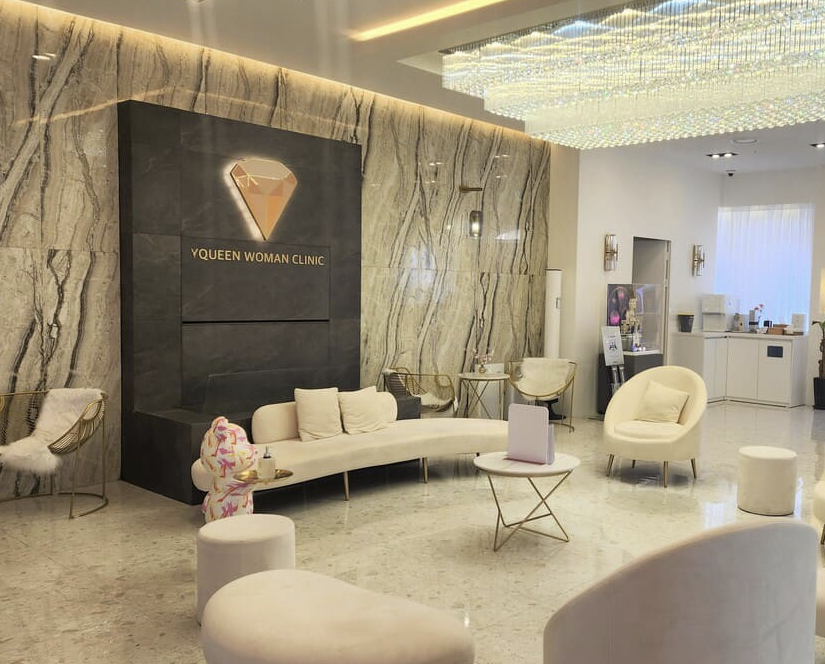
- Private consultation environment
- Comprehensive women's health services
- Convenient Gangnam location
- Foreigner-friendly appointment process
- Follow-up care
Our approach emphasizes healthy skin and safe treatment rather than attempting to create an unrealistic or standardized genital appearance.
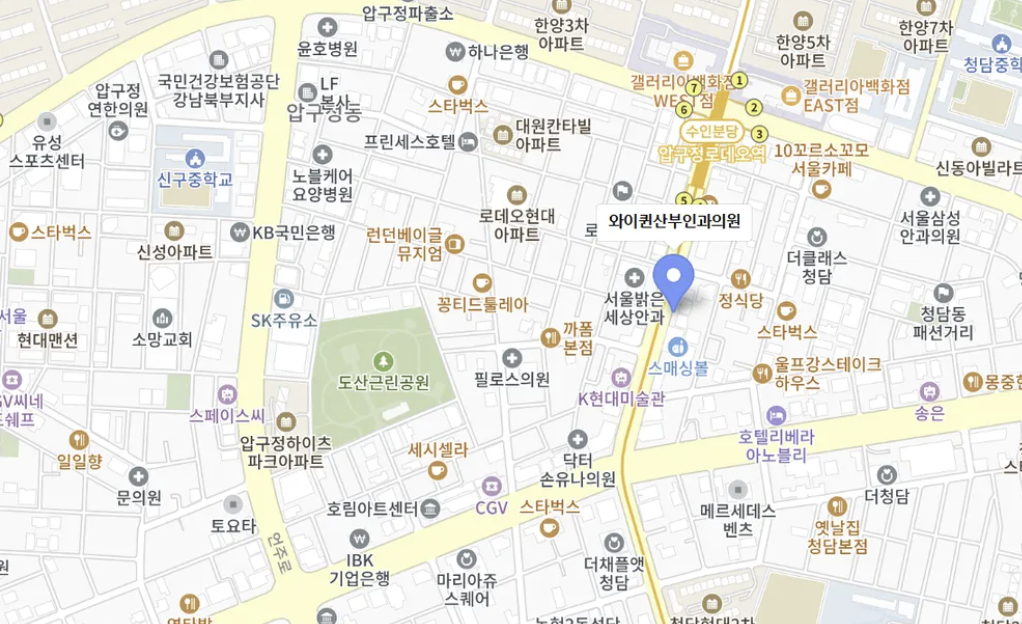
Convenient Location in Gangnam
Y Queen Women's Clinic is located in Gangnam, Seoul, with convenient access near Apgujeong Rodeo Station.
The clinic is accessible for international patients living, working, studying, or staying in Gangnam, Cheongdam, Apgujeong, Sinsa, Itaewon, Myeongdong, and other central Seoul neighborhoods.
Frequently Asked Questions
What is genital bleaching?
Genital bleaching is a cosmetic term for treatments intended to reduce the appearance of pigmentation on selected external intimate areas. It may involve topical, chemical, laser, or other professional pigmentation treatments.
Is dark genital skin normal?
Yes. Genital and vulvar skin naturally varies considerably in color and is often darker than surrounding skin.
Does dark genital skin mean poor hygiene?
No. Natural genital pigmentation is not evidence of poor hygiene.
Is genital bleaching the same as vaginal bleaching?
The terms are sometimes used interchangeably, but most treatments actually involve external vulvar or surrounding skin. The internal vagina should not be treated with inappropriate bleaching products.
Can foreigners get intimate pigmentation treatment in Seoul?
Yes. Y Queen Women's Clinic welcomes international patients and provides English-speaking assistance for confidential vulvar and intimate pigmentation consultations.
Why has my intimate area become darker?
Possible reasons include genetics, hormones, pregnancy, aging, friction, shaving, waxing, inflammation, and post-inflammatory hyperpigmentation.
Can shaving make the genital area darker?
Repeated irritation from shaving can contribute to inflammation and post-inflammatory hyperpigmentation in some people.
Does genital bleaching permanently whiten the skin?
No. Complete or permanent removal of natural pigmentation cannot be guaranteed. Hormones, friction, inflammation, aging, and individual melanin production can influence pigmentation over time.
How many genital bleaching treatments do I need?
The number depends on the cause and depth of pigmentation, treatment method, skin type, and individual response.
Can genital bleaching make pigmentation worse?
Yes. Excessive irritation or burns can cause post-inflammatory hyperpigmentation, potentially making the area darker.
Is genital bleaching painful?
Depending on the treatment, temporary warmth, tingling, stinging, or sensitivity may occur.
Can I bleach my genital area at home?
Strong acids, household bleach, and unregulated products should not be applied to genital skin. They can cause chemical burns, irritation, scarring, and pigment abnormalities.
Is genital bleaching the same as labiaplasty?
No. Genital bleaching targets pigmentation, while labiaplasty surgically changes the shape or size of labial tissue.
Does Y Queen Women's Clinic provide genital bleaching?
Y Queen Women's Clinic can provide confidential consultation and assessment for vulvar and intimate-area pigmentation. The availability and suitability of specific topical, chemical, laser, or other lightening treatments should be confirmed during an individual consultation.