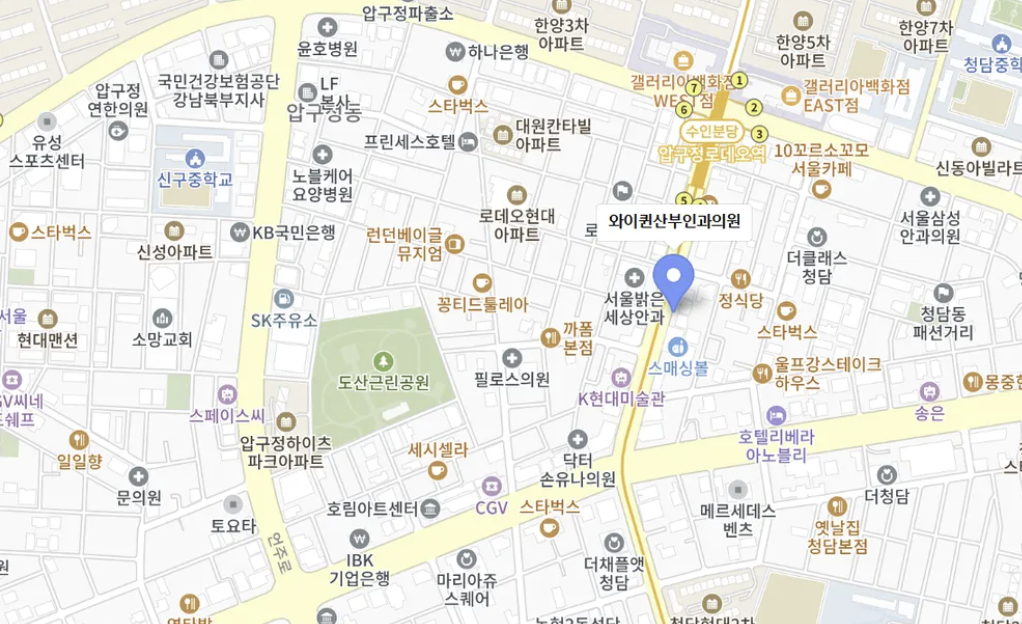
Best Women's Health Screening Before Menopause In Seoul
Introduction
The years leading up to menopause can bring important changes in menstrual, hormonal, reproductive, sexual, bone, and cardiovascular health. This transition is called perimenopause, and it can begin several years before the final menstrual period.
A women's health screening before menopause is not simply a test for menopause itself. It is an opportunity to review overall health, identify symptoms that need investigation, update preventive screening, and discuss what to expect as hormone levels change.
For women living in Korea, foreign women, English-speaking expats, and international patients seeking women's healthcare in Seoul, a preventive consultation can also be a useful time to discuss fertility, contraception, menstrual changes, vaginal symptoms, and future pregnancy plans.
The appropriate screening depends on age, symptoms, family history, previous medical results, medications, reproductive goals, and individual risk factors. Not every woman needs every test.
What Is Women's Health Screening Before Menopause?
Understanding the Purpose
Pre-menopause health screening focuses on identifying conditions that may affect health during the menopausal transition.
Depending on individual needs, assessment may include:
- Menstrual health
- Blood pressure
- Blood glucose
- Cholesterol
- Cervical cancer screening
- Breast health
- Pelvic health
- Thyroid evaluation
- Anemia testing
- Bone health assessment
- Fertility counseling
- Sexual and vaginal health
- Vaccination review
The purpose is preventive and individualized rather than simply checking hormone levels.
Recognizing the Menopausal Transition
What Is Perimenopause?
Perimenopause is the period leading up to menopause. During this stage, ovarian hormone production becomes more variable, and menstrual cycles may change.
Possible symptoms include:
- Irregular periods
- Heavier or lighter bleeding
- Hot flashes
- Night sweats
- Sleep difficulties
- Mood changes
- Vaginal dryness
- Changes in libido
- Difficulty concentrating
- Headaches
Symptoms vary considerably between women.
When Does Perimenopause Begin?
Perimenopause commonly occurs during the 40s, although the timing varies.
Some women experience symptoms earlier, while others continue having relatively regular cycles until later in life.
A doctor can evaluate symptoms and determine whether they are consistent with the menopausal transition or whether another condition should be investigated.
Menstrual Health Screening
Tracking Changes in Your Period
Before menopause, menstrual cycles can become unpredictable.
Keep track of:
- Cycle length
- Bleeding duration
- Bleeding volume
- Spotting
- Clotting
- Period-related pain
This information can help a gynecologist identify meaningful changes.
When Abnormal Bleeding Needs Evaluation
Do not automatically assume that heavy or irregular bleeding is caused by perimenopause.
Medical evaluation is appropriate for:
- Very heavy bleeding
- Prolonged bleeding
- Bleeding between periods
- Bleeding after intercourse
- New severe menstrual pain
- Repeated unpredictable bleeding
Potential causes include fibroids, polyps, adenomyosis, thyroid disorders, hormonal abnormalities, and other gynecological conditions.
Anemia and Iron Testing
Why Heavy Periods Can Affect Iron Levels
Women experiencing heavy menstrual bleeding may develop iron deficiency or anemia.
Possible symptoms include:
- Fatigue
- Weakness
- Dizziness
- Headaches
- Shortness of breath with activity
- Reduced exercise tolerance
Possible Blood Tests
Depending on symptoms, a doctor may recommend:
- Complete blood count
- Ferritin
- Iron studies
Treating iron deficiency should be based on confirmed or suspected deficiency and medical advice.
Blood Pressure and Cardiovascular Screening
Why Heart Health Becomes More Important
Cardiovascular risk factors should be monitored throughout adulthood.
Important measurements may include:
- Blood pressure
- Cholesterol
- Blood glucose
- Weight
- Waist circumference when appropriate
Estrogen levels change substantially during the menopausal transition, making long-term cardiovascular health increasingly important.
Assessing Individual Risk
Your doctor may consider:
- Family history
- Smoking
- Diabetes
- High cholesterol
- High blood pressure
- Obesity
- Physical activity
- Existing cardiovascular disease
The screening schedule should reflect your individual risk.
Blood Sugar and Diabetes Screening
Why Check Blood Glucose?
Diabetes and insulin resistance can affect long-term cardiovascular health.
Screening may be particularly relevant for women with:
- PCOS
- Family history of diabetes
- Overweight or obesity
- Previous gestational diabetes
- High blood pressure
- Abnormal cholesterol
Testing may include fasting glucose or HbA1c.
Cholesterol Testing
Understanding Your Lipid Profile
A lipid panel may measure:
- LDL cholesterol
- HDL cholesterol
- Triglycerides
- Total cholesterol
Results help healthcare professionals assess cardiovascular risk and determine whether lifestyle changes or treatment may be appropriate.
Breast Health Screening
Mammography and Age-Appropriate Screening
Breast cancer screening recommendations depend on age, family history, personal risk, and applicable guidelines.
Women approaching menopause should ensure that their breast screening is up to date.
Depending on age and clinical circumstances, screening may involve mammography or other imaging.
When to Seek Evaluation
Do not wait for a routine screening appointment if you notice:
- A new breast lump
- Bloody nipple discharge
- New nipple inversion
- Skin dimpling
- Persistent localized breast pain
- A significant change in breast appearance
A new breast symptom should be medically evaluated.
Cervical Cancer Screening
Keep Screening Up to Date
Cervical cancer screening remains important during the years before menopause.
Depending on age and guidelines, screening may involve:
- HPV testing
- Cervical cytology
- Combined HPV and cytology testing
Your screening interval depends on previous results and personal risk.
HPV Vaccination
Women who have not completed HPV vaccination may want to discuss vaccination with a healthcare professional.
Vaccination can reduce the risk of infection with certain HPV types but does not replace cervical cancer screening.
Pelvic Health Screening
When Pelvic Ultrasound May Be Useful
Pelvic ultrasound may be recommended when there are symptoms or clinical concerns such as:
- Heavy bleeding
- Pelvic pain
- Fibroids
- Ovarian cysts
- Suspected polyps
- Abnormal uterine bleeding
Ultrasound is not necessarily required annually for every healthy woman.
Why Symptoms Matter
A pelvic scan should be interpreted alongside your medical history and examination.
An incidental finding does not always require treatment.
Thyroid Health Before Menopause
Symptoms Can Overlap
Thyroid disorders and perimenopause can produce similar symptoms.
These may include:
- Fatigue
- Sleep problems
- Weight changes
- Mood changes
- Irregular periods
- Hair thinning
- Palpitations
- Heat or cold intolerance
A thyroid test may be appropriate when symptoms or risk factors warrant evaluation.
TSH Testing
TSH is commonly used as an initial thyroid function assessment.
Additional thyroid testing may be recommended depending on symptoms and initial results.
Bone Health Screening
Why Bone Health Matters
Estrogen plays an important role in maintaining bone density.
As estrogen levels decline during the menopausal transition, bone loss can accelerate.
Women should therefore consider their bone health before menopause rather than waiting until after menopause.
Who May Need Earlier Bone Assessment?
Risk factors may include:
- Early menopause
- Low body weight
- Previous fractures
- Family history of osteoporosis
- Smoking
- High alcohol intake
- Certain medications
- Conditions that affect bone health
A DEXA scan may be recommended when clinically appropriate.
Vitamin D and Calcium
Supporting Bone Health
Adequate calcium and vitamin D are important for maintaining healthy bones.
Dietary intake, sunlight exposure, lifestyle, and individual risk factors should be considered.
Routine high-dose supplementation is not appropriate for everyone.
A healthcare professional can advise whether testing or supplementation is necessary.
Fertility Screening Before Menopause
Pregnancy Is Still Possible
Women can become pregnant during perimenopause because ovulation may continue even when periods become irregular.
If pregnancy is not desired, contraception remains important until menopause has been confirmed according to appropriate medical guidance.
Women Planning Pregnancy
Women who want to conceive during their 40s should consider discussing fertility relatively early.
Evaluation may include:
- Menstrual history
- Ovulation assessment
- AMH
- Antral follicle count
- Pelvic ultrasound
- Other fertility tests when indicated
Fertility testing cannot guarantee pregnancy or measure egg quality perfectly.
Sexual and Vaginal Health
Vaginal Dryness
Lower or fluctuating estrogen can contribute to vaginal dryness.
Symptoms may include:
- Burning
- Irritation
- Reduced lubrication
- Discomfort during intercourse
- Urinary symptoms
Treatment depends on the cause and may include vaginal moisturizers, lubricants, pelvic floor care, or prescription therapies when appropriate.
Pain During Intercourse
Pain during intercourse should not be considered something women simply have to tolerate.
Potential causes include:
- Vaginal dryness
- Infection
- Pelvic floor dysfunction
- Endometriosis
- Vulvar conditions
- Other gynecological problems
A gynecologist can help identify the underlying cause.
Sexually Transmitted Infection Screening
When STI Testing Is Appropriate
Age and menopause status do not determine STI risk.
Testing may be appropriate when there is:
- A new sexual partner
- A partner with an STI
- Multiple partners
- Symptoms
- Previous STI exposure
Testing can include different infections depending on individual risk.
Hormone Testing Before Menopause
Do You Need a Menopause Hormone Panel?
Not necessarily.
Hormone levels such as FSH and estradiol can fluctuate significantly during perimenopause.
For many women with typical symptoms, the diagnosis can be based primarily on age, menstrual history, and symptoms.
Hormone testing may be more useful when:
- Symptoms occur unusually early
- Menstrual history is unclear
- Another hormonal disorder is suspected
- The diagnosis is uncertain
- There are specific reproductive concerns
Medication Review
Why Medication Review Matters
Before menopause, review all medications and supplements with your healthcare provider.
Include:
- Prescription medications
- Hormonal contraception
- Acne medications
- Thyroid medication
- Pain medications
- Vitamins
- Herbal products
Some medications may affect bleeding, fertility, or pregnancy planning.
Lifestyle Assessment
Exercise
Regular exercise can support:
- Bone strength
- Cardiovascular health
- Muscle mass
- Weight management
- Sleep
- Mood
Resistance training becomes particularly valuable for maintaining muscle and bone health.
Nutrition
A balanced diet should include adequate:
- Protein
- Calcium
- Fiber
- Fruits and vegetables
- Healthy fats
Limit excessive alcohol intake and avoid smoking.
Mental Health and Sleep
Why These Symptoms Matter
Hormonal changes can affect sleep and mood, but persistent anxiety, depression, or severe insomnia should not automatically be attributed to menopause.
Professional assessment may be appropriate.
Sleep Problems
Night sweats and hot flashes can disrupt sleep.
Persistent sleep problems can affect concentration, mood, metabolic health, and quality of life.
Choosing a Women's Health Clinic in Korea
What International Patients Should Look For
Foreign women may benefit from choosing a clinic that offers:
- English-language consultation
- Gynecology
- Preventive screening
- Menopause care
- Cervical screening
- Pelvic ultrasound
- Hormone evaluation
- Breast health assessment
- Fertility counseling
- Sexual health services
Clear communication is especially important when discussing sensitive symptoms and treatment options.
Preparing for Your Screening in Korea
Bring Your Medical History
Bring:
- Previous cervical screening results
- Mammography reports
- Pelvic ultrasound reports
- Blood test results
- Medication list
- Vaccination records
- Family history
- Menstrual records
International patients should bring translated records when possible.
Track Symptoms Before Your Appointment
Record:
- Period dates
- Bleeding patterns
- Hot flashes
- Night sweats
- Sleep quality
- Vaginal symptoms
- Pelvic pain
- Breast changes
A symptom diary can help your doctor understand whether changes are occasional or persistent.
When to Seek Medical Evaluation
Do Not Ignore These Symptoms
Seek medical evaluation for:
- Very heavy vaginal bleeding
- Persistent abnormal bleeding
- Bleeding after intercourse
- New severe pelvic pain
- New breast lump
- Bloody nipple discharge
- Persistent abdominal swelling
- Unexplained weight loss
- Significant new urinary symptoms
Any bleeding after menopause requires medical evaluation.
Conclusion
The best women's health screening before menopause is a personalized review of preventive care, reproductive health, cardiovascular risk, bone health, and symptoms associated with hormonal changes.
Important areas may include cervical cancer screening, breast health, blood pressure, cholesterol, blood glucose, anemia testing, thyroid assessment when indicated, pelvic evaluation, fertility counseling, and bone health assessment based on individual risk.
Women should not assume that every symptom is simply part of perimenopause. Heavy bleeding, persistent pelvic pain, abnormal vaginal bleeding, new breast changes, and other unusual symptoms deserve appropriate medical evaluation.
For women living in Korea, including foreign residents and international patients, an English-speaking women's health clinic can make screening and follow-up easier to understand. Preparing previous medical records and keeping track of menstrual and menopausal symptoms can also make the consultation more productive.
The goal of pre-menopause screening is not to perform every possible test. It is to identify meaningful health risks early, manage symptoms appropriately, and prepare for the physical changes that may accompany the menopausal transition.
FAQs About Women's Health Screening Before Menopause
What health tests should women have before menopause?
Depending on age and risk factors, screening may include blood pressure, cholesterol, blood glucose, cervical cancer screening, breast screening, anemia testing, and targeted thyroid, pelvic, fertility, or bone health evaluation.
Do I need hormone tests to know if I am approaching menopause?
Not always. In many women, symptoms and menstrual changes provide more useful information than a single hormone test because hormone levels can fluctuate considerably during perimenopause.
Should I have an ultrasound before menopause?
Pelvic ultrasound is not automatically necessary every year. It may be recommended when symptoms such as abnormal bleeding, pelvic pain, fibroids, or ovarian concerns are present.
Can I still become pregnant during perimenopause?
Yes. Ovulation can continue during perimenopause, so pregnancy remains possible until menopause has been established. Women who do not want pregnancy should continue appropriate contraception.
Should I have fertility testing before menopause?
Fertility evaluation may be useful if you are planning pregnancy, especially at an older reproductive age or when there are concerns about ovarian reserve, ovulation, or previous reproductive problems.
Should women approaching menopause have a bone density test?
Not every woman needs a DEXA scan before menopause. Earlier testing may be appropriate when significant osteoporosis risk factors are present.
Is heavy bleeding normal before menopause?
Menstrual changes are common during perimenopause, but very heavy, prolonged, or unusual bleeding should be evaluated to rule out conditions such as fibroids, polyps, anemia, or other causes.
Should I get STI testing before menopause?
STI screening depends on sexual history, symptoms, and individual risk rather than menopause status.
Can I receive menopause-related care in Korea as a foreign woman?
Yes. Foreign women can access gynecological and women's health services in Korea. Clinics with English-language consultation can be particularly helpful for international patients.
When should I see a doctor about menopause symptoms?
Consider an evaluation when symptoms interfere with sleep, work, relationships, sexual health, or daily activities, or when bleeding patterns become unusually heavy or unpredictable.